
What Are Cutting Discs Composed Of?
Cutting discs, also known as cutting wheels or abrasive discs, are essential tools in industries ranging from metal fabrication to construction. Designed to slice through hard materials with precision, these discs rely on carefully engineered compositions to balance cutting efficiency, durability, and safety.
Cutting discs are generally composed of three parts: abrasive, binder and reinforcement material. The combination of different materials determines the performance and application range of the cutting disc. This article explores the materials that make up cutting discs, their roles in performance, and how variations in composition cater to specific applications.
Core Abrasive Materials

The primary component of a cutting disc is its abrasive grain, which determines its cutting capability. These grains are selected based on hardness, toughness, and thermal resistance. Common abrasives include:
Aluminum Oxide (Al₂O₃)
A cost-effective and versatile abrasive, aluminum oxide is widely used for cutting ferrous metals like steel and iron. Its semi-sharp grains fracture during use, creating new cutting edges and extending the disc’s life. Variants such as zirconia-alumina (a blend with zirconium oxide) offer higher durability for heavy-duty tasks.
Silicon Carbide (SiC)
Harder and sharper than aluminum oxide, silicon carbide excels at cutting non-ferrous metals (aluminum, copper), ceramics, and stone. However, it wears faster on harder steels due to its brittleness. It generates less heat, making it suitable for thin materials.
Diamond and Cubic Boron Nitride (CBN)
For ultra-hard materials like concrete, glass, or carbide tools, synthetic diamond or CBN particles are embedded into the disc. These super-abrasives are bonded using metal or resin matrices and are ideal for precision cutting in specialized industries.
Bonding Agents: Holding It All Together
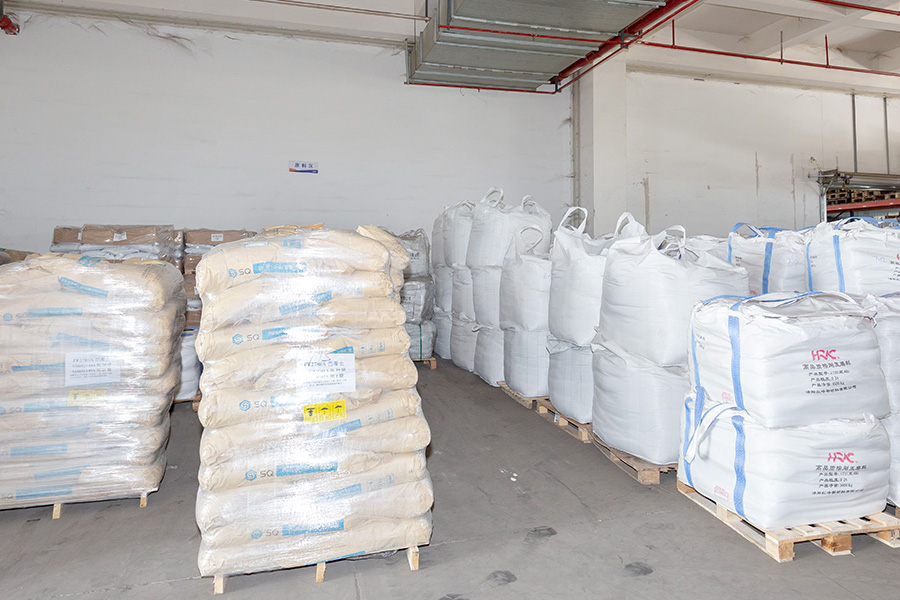
Abrasive grains alone cannot form a functional disc—they require a bonding material to hold them in place. The bond’s composition affects the disc’s strength, heat tolerance, and cutting behavior.
Resin Bonds:
Most common in general-purpose discs, resin bonds (phenolic resins) offer flexibility and shock resistance. They degrade predictably under heat, allowing worn grains to shed and expose fresh abrasives. Resin-bonded discs are lightweight and ideal for handheld tools but may soften at very high temperatures.
Vitrified Bonds:
Made from ceramic or glass-based materials, vitrified bonds create rigid, heat-resistant discs for high-speed machinery. These bonds are brittle but provide excellent precision in controlled environments like CNC cutting.
Metal Bonds:
Used with diamond or CBN abrasives, metal bonds (often cobalt or nickel-based) produce ultra-durable discs for grinding concrete or reinforced composites. They withstand extreme pressure but generate significant heat, requiring coolant systems.
Reinforcing Materials: Enhancing Safety and Stability
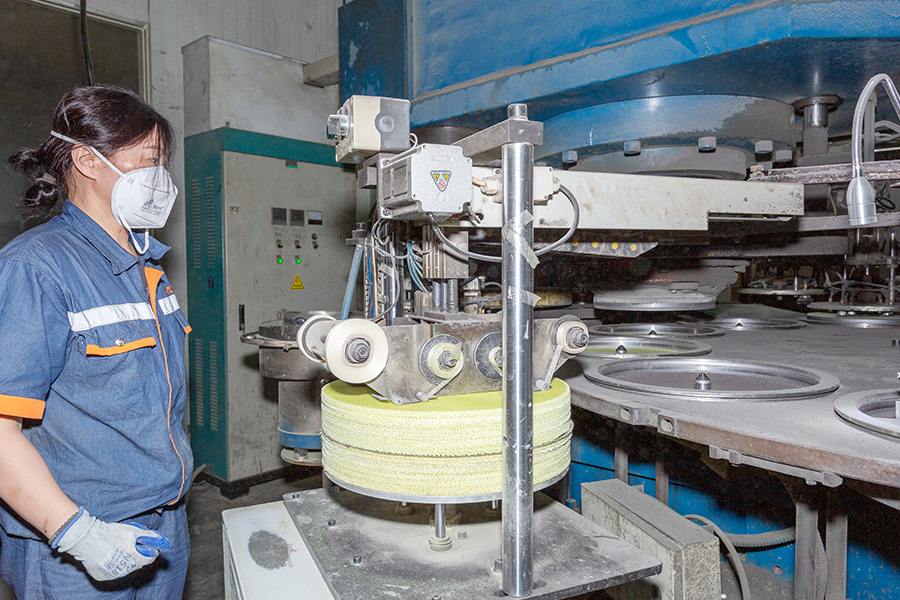
To prevent discs from shattering under stress, manufacturers incorporate reinforcing materials into their design:
Fiberglass Mesh:
Layers of fiberglass mesh are embedded within the disc to add tensile strength. This mesh acts as a skeleton, absorbing vibrations and reducing the risk of catastrophic failure during use. The density of the mesh varies depending on the disc’s intended speed rating.
Steel or Composite Hubs:
For large-diameter discs used in angle grinders, a steel hub reinforces the center, ensuring secure attachment to the tool. Some discs feature composite cores to reduce weight while maintaining structural integrity.
Additives and Coatings

Modern cutting discs often include additives to optimize performance:
Lubricants (e.g., wax, graphite):
These reduce friction between the disc and workpiece, minimizing heat buildup and extending disc life. Lubricants are critical for cutting stainless steel, which tends to gum up abrasives.
Anti-loading Agents:
Coatings like stearate prevent soft materials (e.g., aluminum) from clogging the disc’s pores, maintaining cutting efficiency.
Color Coding:
Additives may tint discs to indicate their purpose—blue for stainless steel, green for stone, etc.—aiding quick identification in workshops.
Tailored Compositions for Specific Applications

The ideal cutting disc composition depends on the target material and operating conditions:
Metal Cutting:
- Mild Steel: Aluminum oxide with resin bond and fiberglass reinforcement.
- Stainless Steel: Zirconia-alumina abrasives with anti-corrosion additives.
- Cast Iron: Silicon carbide for faster cuts despite rapid wear.
Masonry and Stone:
Diamond-impregnated metal-bonded discs with segmented rims to dissipate heat.
Ceramics and Composites:
Thin, resin-bonded silicon carbide discs for clean, chip-free edges.
Conclusion: A Balance of Science and Practicality
Cutting discs are marvels of material science, blending abrasives, bonds, and reinforcements into compact, high-performance tools. Their composition directly impacts cutting speed, precision, and user safety. As industries demand faster, cleaner cuts, advancements in nanotechnology (e.g., nano-grained abrasives) and eco-friendly bonds are pushing the boundaries of what these discs can achieve. Understanding their makeup not only aids in selecting the right disc for the job but also underscores the importance of proper usage to maximize efficiency and minimize risks.
This post is also available in:


Leave a Reply
Want to join the discussion?Feel free to contribute!