
Dress or Replace a Grinding Wheel? Three Situations to Help You Decide
One grinding wheel has worn down in diameter but still cuts well. Another has barely changed in size, yet grinding is becoming harder. Which one needs replacing? The contrast shows why remaining dimensions and grinding performance need separate checks. The three illustrative situations below distinguish between reaching a dimensional limit, needing dressing, and having to stop using a wheel. They are examples for explanation, not reports of actual tests.
Scenario 1: The wheel still cuts, but is approaching its dimensional limit
An operator notices that the wheel can still remove material, but the space between the flange and the workpiece is getting smaller. At this point, satisfactory material removal does not justify continued use. The decision must account for the remaining clearance and the applicable dimensional limits, even when the wheel still seems to be doing its job.
Flanges hold the wheel in place. A straight wheel must not be worn down to a point where the flange assembly could contact the workpiece or fixture. Its central area, if not designed for grinding, must not be used for that purpose. Recessed wheels also have limits associated with the edge of the recess, so the same minimum dimensions cannot simply be applied to both wheel types.
Check the specific wheel type, machine instructions, and applicable safety requirements to establish the minimum usable dimensions for that combination. Stop using the wheel as soon as any applicable limit is reached. Do not fit an undersized, noncompliant flange or remove protective components merely to use more of the abrasive remaining on the wheel.
Scenario 2: The dimensions are acceptable, but grinding is becoming harder
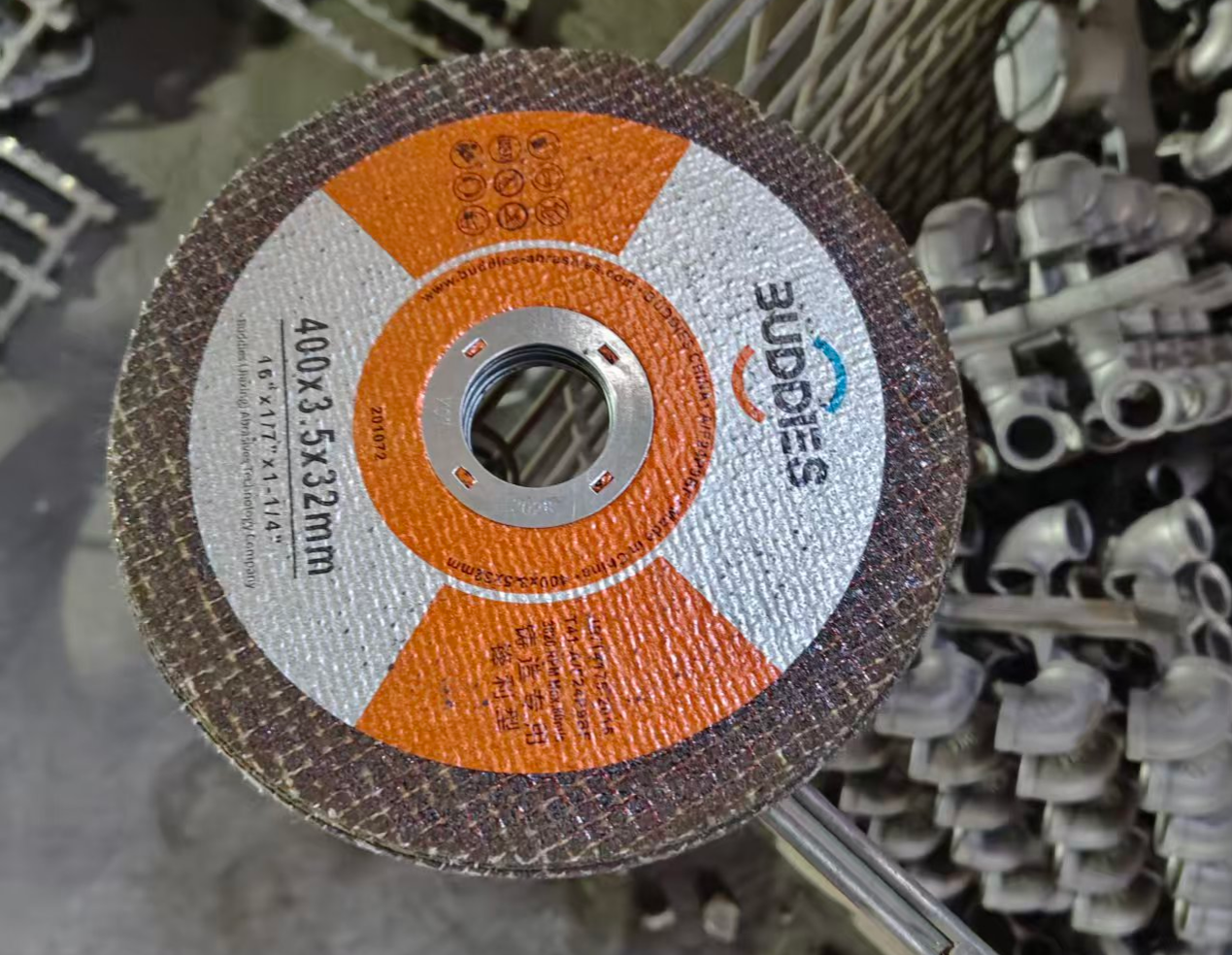
Consider a conventional grinding wheel that is suitable for dressing, shows no visible damage, and remains within its permitted dimensions. Grinding the same type of workpiece now requires more effort, and shiny areas have appeared on the wheel surface. Replacing it immediately may leave the cause unexplained; simply applying more pressure may make the problem worse.
A trained person should check for dulling, loading, or an out-of-round condition and assess whether dressing is appropriate for the application. Dressing restores a suitable cutting surface or profile; it cannot repair structural cracks. Methods used to dress conventional grinding wheels must not automatically be applied to cutting discs or other products with different requirements.
Check the speed setting as well. On a machine running at a fixed rotational speed, the wheel’s peripheral speed decreases as its diameter wears down. Whether a speed adjustment is permitted depends on the wheel and machine specifications; diameter alone does not authorize an operator to increase speed. On equipment approved for speed adjustment, reset the speed to suit the new wheel before installing a replacement.
Scenario 3: The diameter is still large, but damage or abnormal behavior appears
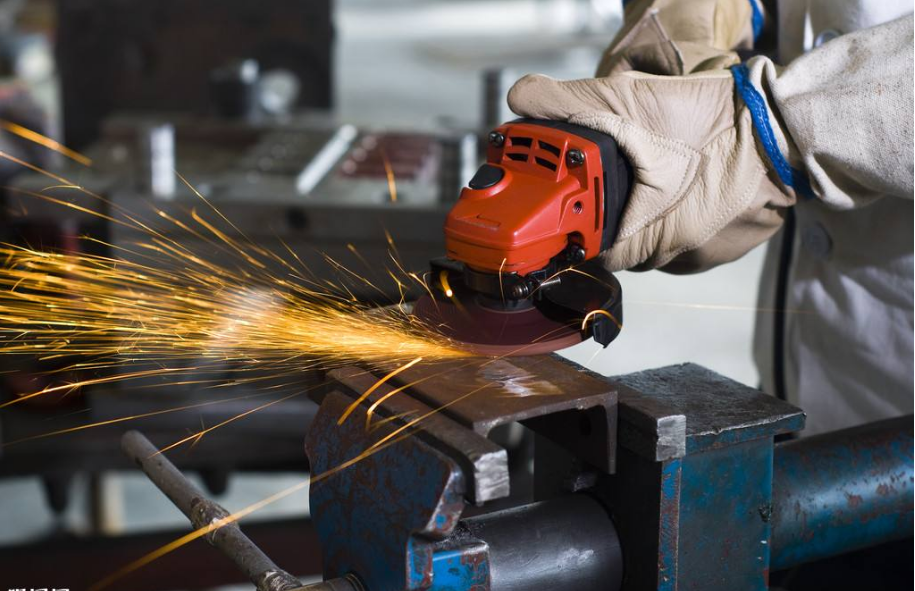
A recently installed wheel that develops a crack cannot remain in service simply because it has seen little use. A cracked or broken wheel must be taken out of service and replaced. Unusual vibration calls for stopping the machine and investigating the cause. Do not resume use until the cause has been identified and the equipment has been confirmed safe to operate.
Storage history also needs checking. The usable life of a resin-bonded wheel cannot be determined by a blanket rule that it becomes unusable after one year. Check the product markings, storage conditions, and manufacturer’s requirements instead. A wheel that looks normal still needs its applicable time limits and storage records checked; appearance alone does not establish its suitability for use.
Keep the decision criteria beside the machine
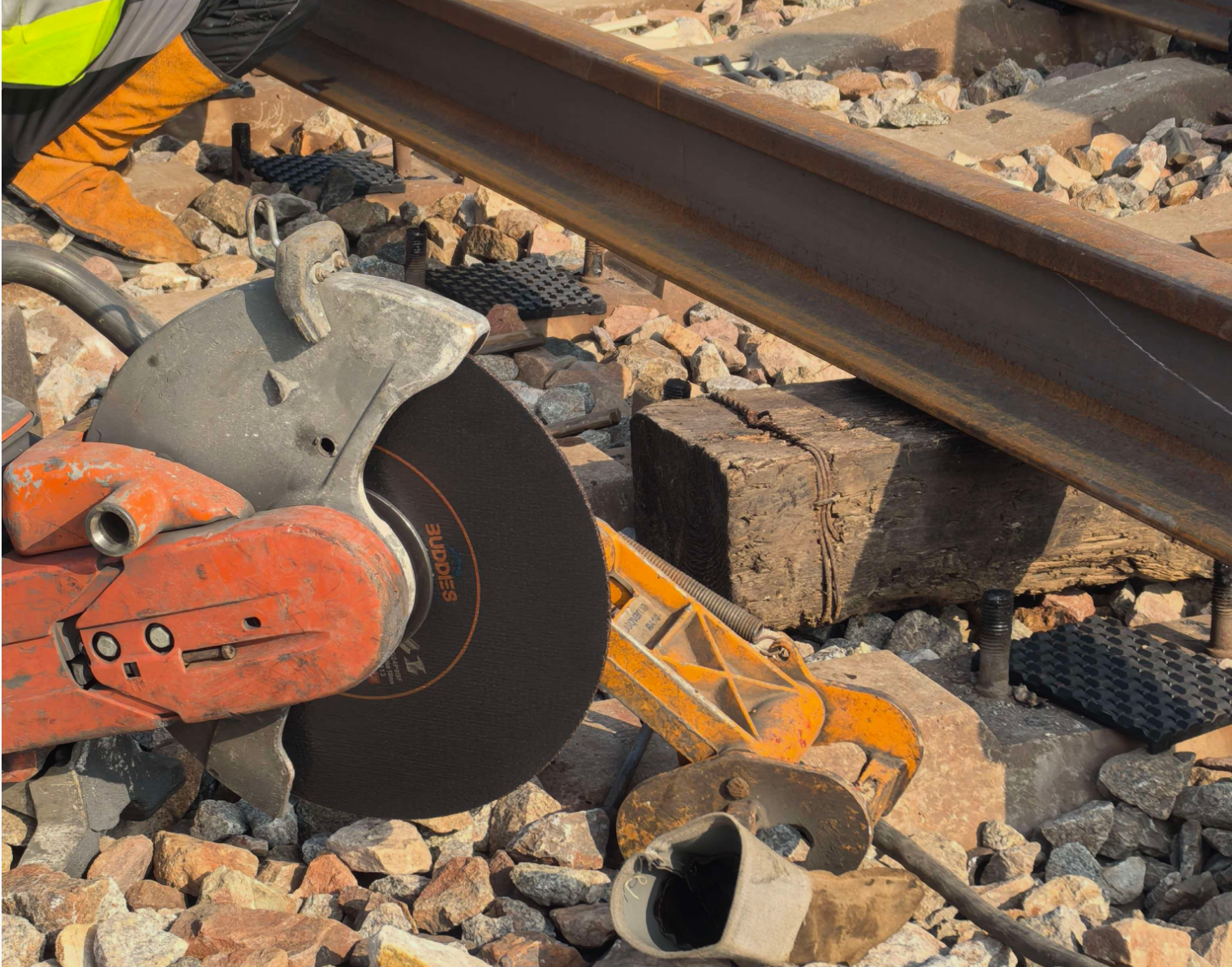
Prepare a reference card for each machine, listing compatible wheels, flange specifications, speed requirements, minimum usable dimensions, and the documents supporting those limits. If clear information is missing, consult the wheel and equipment suppliers before setting a limit. Do not copy a figure used on another machine and assume that it also applies to this wheel and mounting arrangement.
Stop the machine and prevent unintended starting before measuring the wheel or adjusting work rests and protective components. After dressing, check dimensions and clearances again before returning to work. Restored cutting performance is only one part of the assessment: the fact that the wheel cuts well again does not replace these checks.
When recording a wheel change, distinguish between “dimensional limit reached,” “removed because of damage,” and “replaced following a process assessment.” Recording the reason helps separate normal consumption from abnormal wear or loss. It also gives the people responsible for future wheel selection, maintenance, and purchasing a clearer basis for their decisions, rather than leaving them with a replacement date alone.
This post is also available in:


Leave a Reply
Want to join the discussion?Feel free to contribute!