
Why are there so many colors of cutting discs?
As an indispensable tool in industrial production and daily processing, cutting discs have rich and diverse colors, ranging from metallic gray to bright red, yellow, green, blue, and even multi-color composite designs, which are dazzling. This diversity is not only for aesthetic purposes, but also contains profound considerations of process, function, and market demand. This article will explore the reasons for the diversity of cutting disc colors from four aspects: material properties, functional differentiation, market demand, and production process, and reveal the scientific and practical logic behind it.

1. Material properties determine the basis of color
The color of the cutting disc is first closely related to its manufacturing material. Cutting discs are typically composed of abrasives (such as aluminum oxide, silicon carbide, or zirconium corundum), binders (including resins, ceramics, or metals), and reinforcing materials (like glass fiber). The chemical composition and physical properties of different abrasives and binders directly affect the color of the cutting disc. For example, aluminum oxide abrasives often appear brown or red, while silicon carbide abrasives tend to be green or black. The choice of binder will further change the color. Resin binders often make cutting discs appear dark green or brown, while ceramic binders may bring light gray or white tones.
In addition, dyes or pigments added during the production process will also affect the final color of the cutting disc. These pigments are usually used to enhance visual recognition or meet brand customization needs. For example, some manufacturers will add specific pigments to form a unique color identification based on the purpose or performance level of the cutting disc. This color difference based on materials and processes lays the foundation for the diversity of cutting discs.
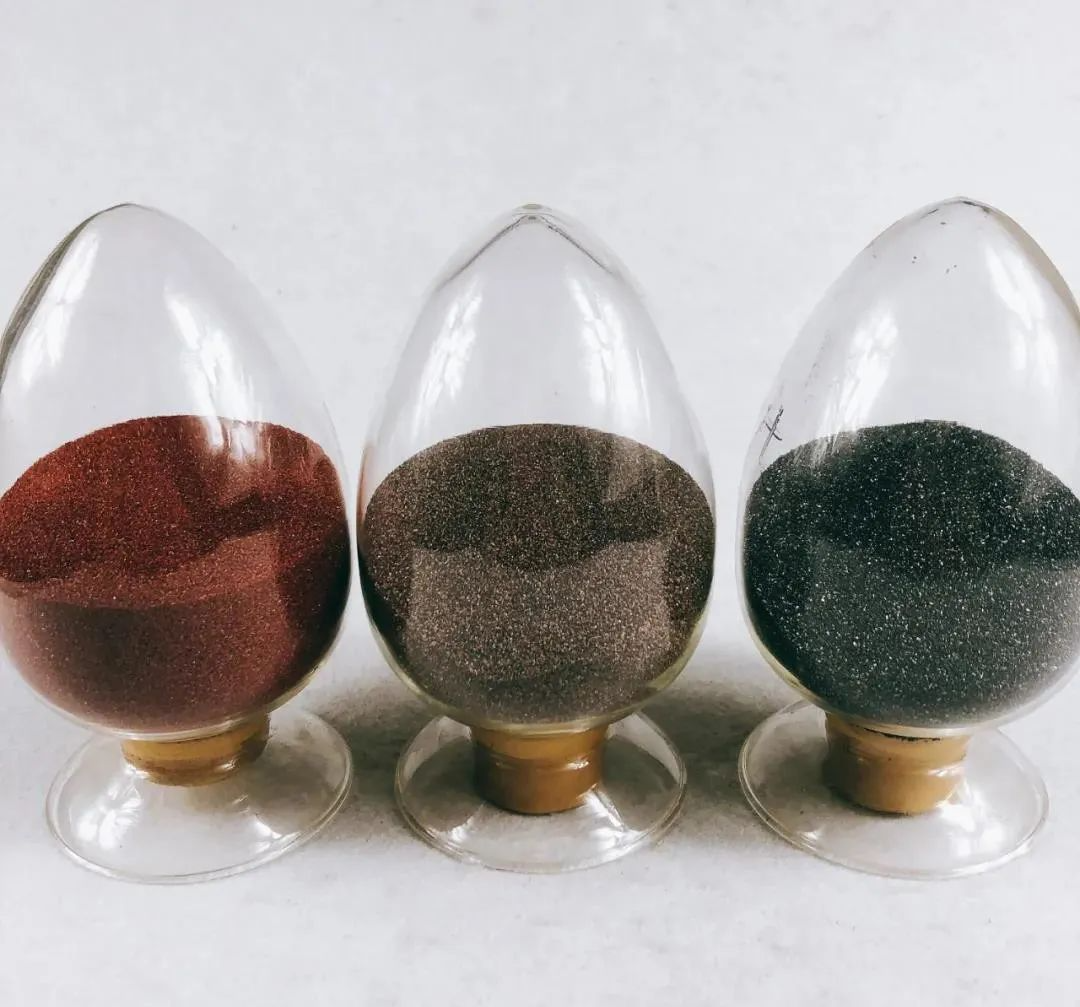
2. Visual identification of functional differentiation
Another important reason for the diversity of cutting disc colors is the need for functional differentiation. In industrial production, cutting discs are widely used in the processing of various materials such as metals, ceramics, stones, and wood. The hardness, toughness, and chemical properties of different materials require cutting discs to have specific properties. In order to facilitate users in quickly identifying, manufacturers usually use colors to distinguish cutting discs for different purposes. For example, green cutting discs are often used to cut stainless steel. They contain silicon carbide abrasives suitable for high-hardness metal processing; red or brown cutting discs are mostly used for ordinary steel because their main component is aluminum oxide, and the cost is relatively low.
In addition, the particle size (roughness) of the cutting disc is also distinguished by color. For example, a fine-grained cutting disc may be designed in a light color, while a coarse-grained one may use a dark color. This color coding not only improves work efficiency but also reduces the risk of misoperation. Especially in high-intensity, fast-paced industrial environments, the intuitiveness of color identification is particularly important.

3. Market demand and brand strategy
Market competition and brand strategy are also important driving forces for the diversification of cutting disc colors. In the global tool market, major brands use unique color designs to enhance product recognition. For example, a well-known brand may focus on blue cutting discs, emphasizing its high wear resistance and precise cutting ability, while another brand may choose red to highlight its economy and versatility. This color difference is not only convenient for consumers to choose, but also visually strengthens the brand image.
In addition, consumers’ personalized needs are also driving color diversification. With the rise of DIY (Do It Yourself) culture, more and more individual users are starting to buy cutting discs for home decoration or handmade projects. They prefer to choose products with bright colors and novel designs to meet aesthetic or collection needs. Some manufacturers even launch limited edition color cutting discs to meet the customization needs of specific markets, thereby further enriching the color variety.

4. Production process and technological innovation
The advancement of production technology also provides the possibility for the diversification of cutting disc colors. Modern manufacturing technology allows manufacturers to flexibly adjust the color of cutting blades while ensuring performance. For example, by improving the formulation of resin binders, manufacturers can add more types of pigments without affecting the strength of cutting blades. In addition, the application of laser marking and surface coating technology allows cutting blades to add complex multi-color patterns or gradient effects in the later stage of production, further enhancing the visual appeal.
It is worth noting that some high-end cutting blades use composite materials or coating technology, such as coating titanium or nitride on the surface to enhance wear resistance and high-temperature resistance. These coatings themselves bring metallic luster or unique colors such as gold or purple, making the cutting blades both functional and aesthetic. This technology-driven color innovation not only improves product performance but also meets the market demand for high-value-added products.

Summary
In summary, the reasons for the diversity of cutting blade colors can be attributed to the combined influence of material properties, functional differentiation, market demand, and production process. The choice of materials and binders lays the foundation for color, the demand for functional differentiation improves the efficiency of use through color coding, market competition and brand strategy promote the diversification of color design, and the advancement of production technology provides technical support for color innovation. These factors work together to make cutting discs not only efficient industrial tools but also products that are both practical and aesthetically pleasing.
In the future, with the continuous emergence of new materials and new processes, the colors of cutting discs may become richer, and even incorporate intelligent elements, such as indicating the degree of wear or working status through color changes. In any case, the diversity of cutting disc colors will continue to show its unique charm at the intersection of function and market demand.
This post is also available in:


Leave a Reply
Want to join the discussion?Feel free to contribute!