
A Comprehensive Guide to Select the Flap Disc
In the world of abrasive tools, few items are as versatile and indispensable as the flap disc. This engineered abrasive product has revolutionized grinding and finishing processes across numerous industries, from metal fabrication and welding to woodworking and automotive repair. Its unique design combines the aggressive material removal of a grinding wheel with the refined finishing capability of a sanding disc, all in a single, efficient tool. Understanding its composition, the various types available, how it is made, its wide-ranging applications, and how to select the right one is crucial for professionals and hobbyists alike seeking optimal results.
Composition and Design
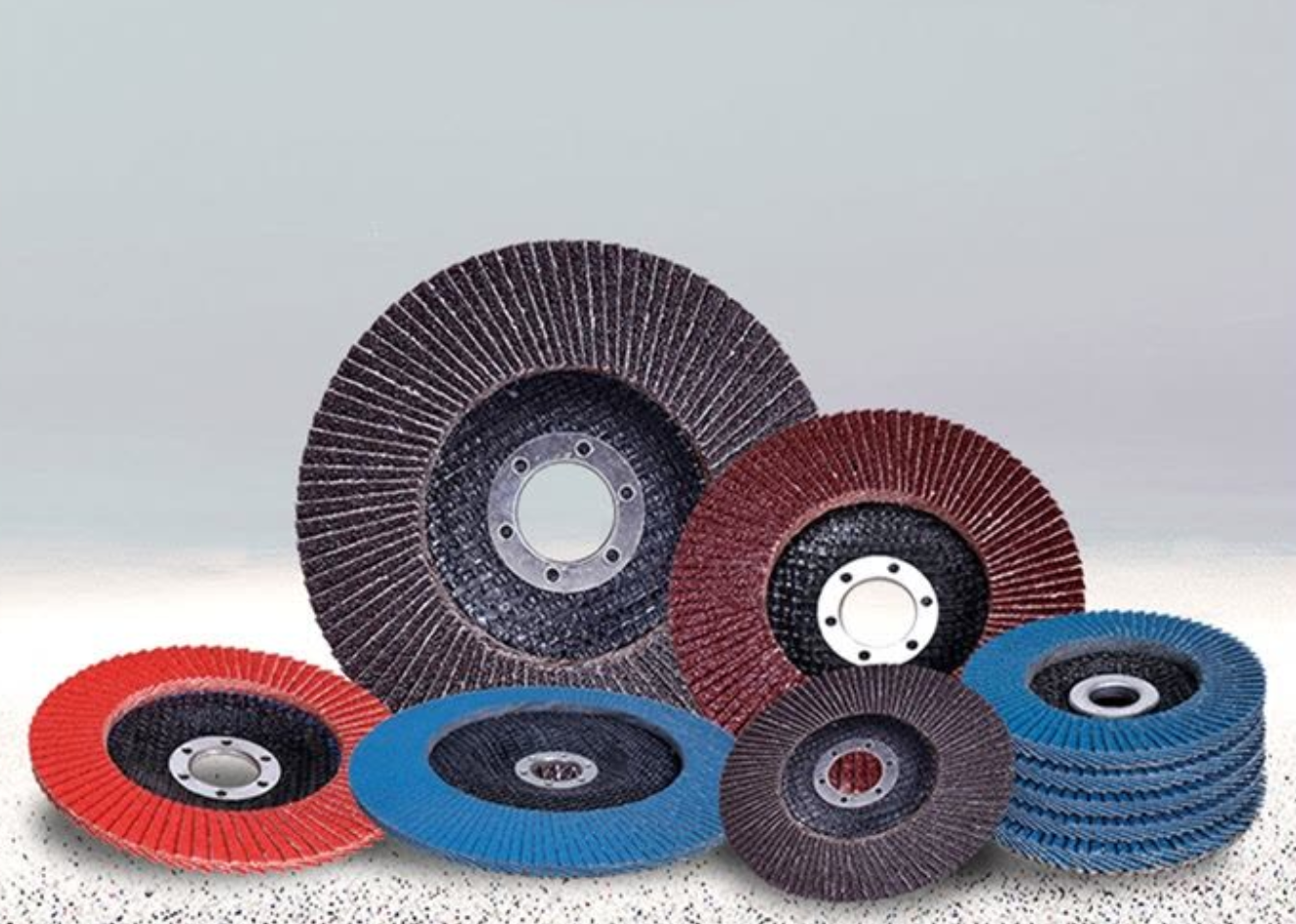
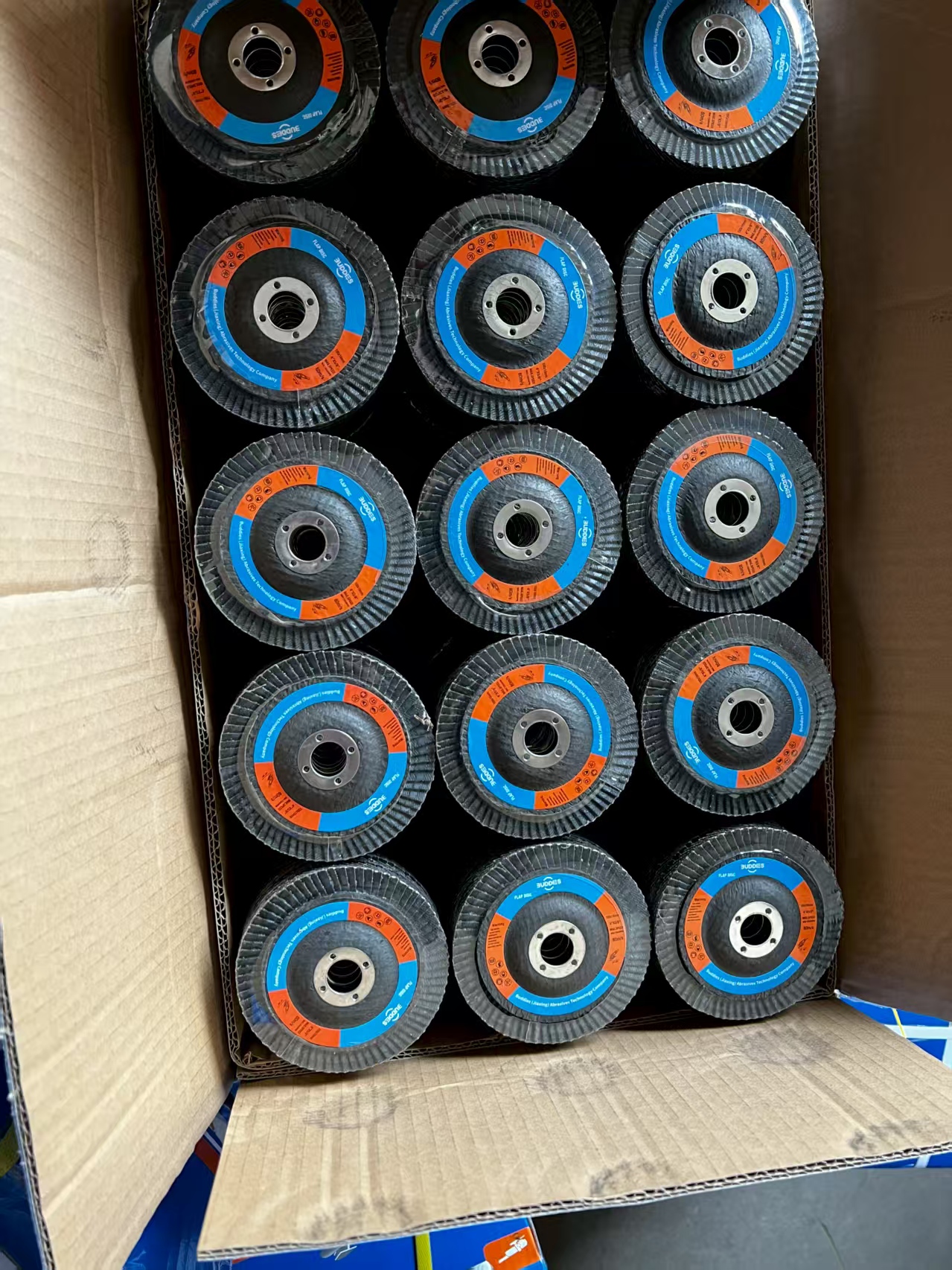
A flap disc is not a monolithic wheel but a composite tool meticulously constructed from several key components. Its core is a rigid, reinforced fiberglass backing plate that provides the structural integrity and safety necessary for high-speed operation. Bonded to this plate are numerous overlapping abrasive flaps, arranged radially around the center. Each individual flap is itself a multi-layered sandwich. It consists of a cloth backing, typically made from durable polyester or cotton, onto which a layer of abrasive grains is firmly bonded using a strong resin adhesive.
The choice of abrasive mineral is fundamental to the disc’s performance. The most common types include Aluminum Oxide (standard for general-purpose grinding on metals like steel and iron due to its good durability and friability), Zirconia Alumina (noted for its superior toughness and self-sharpening characteristics, making it ideal for high-pressure applications and stainless steel), and Ceramic Alumina (a premium grain that fractures to form new sharp points during use, offering exceptional cutting speed and longevity, especially on hard alloys). The grains are also sized, known as grit size, which ranges from coarse (e.g., 24/36/40 grit) for rapid stock removal to very fine (e.g., 120/180/220 grit) for smooth blending and finishing.
Holding these flaps securely to the backing plate is a critical element—the resin bond. This specialized adhesive must be tough enough to withstand the extreme heat and pressure of grinding yet allow worn abrasive grains to be released, making way for fresh, sharp ones underneath, a process that defines the disc’s long service life. Finally, some premium discs feature a support mesh layer between the flaps and the backing plate. This mesh enhances flexibility, improves heat dissipation, and helps prevent the disc from loading up with material, thereby extending its usability.
Classification and Types
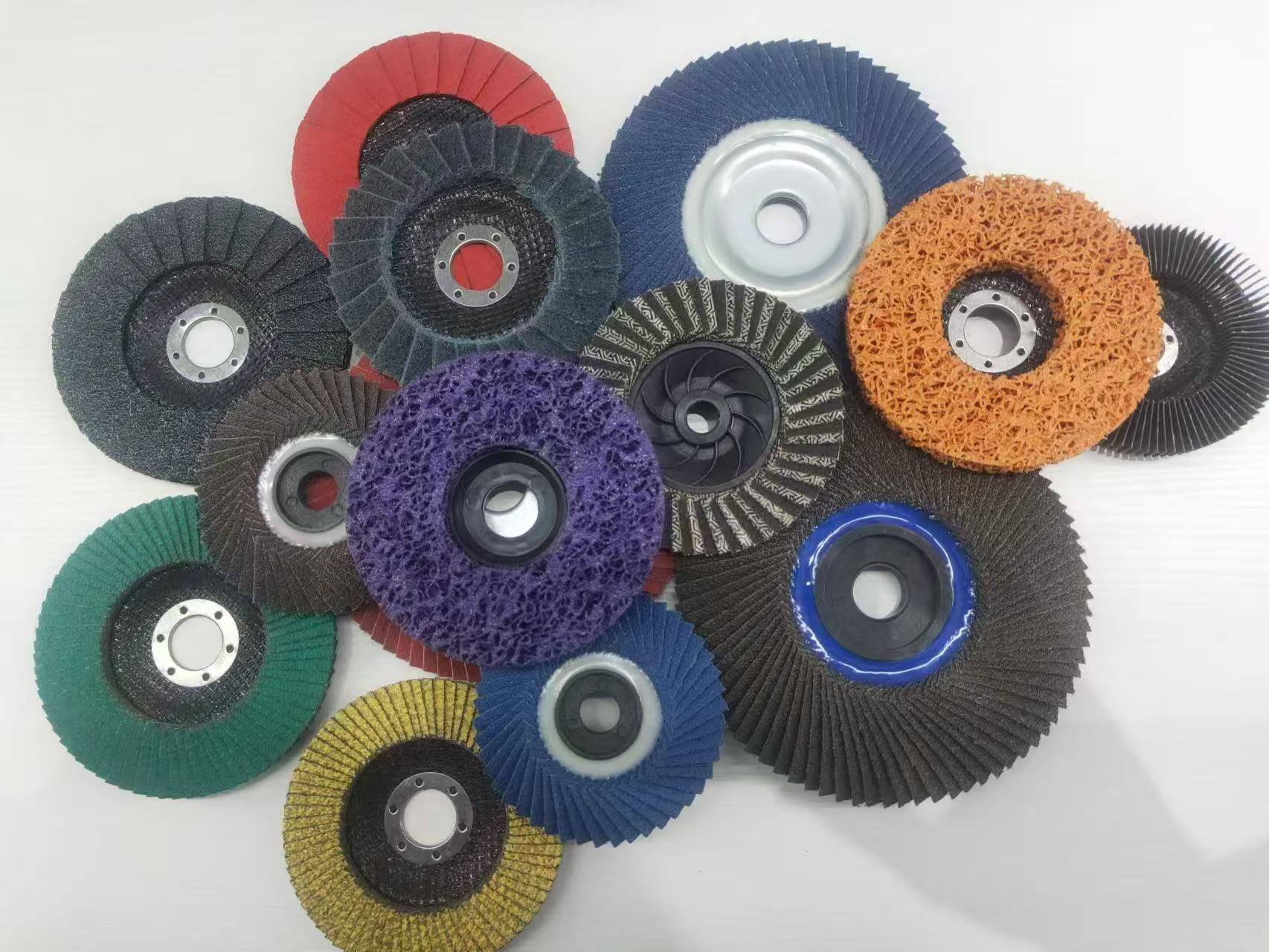
Flap discs can be categorized based on several factors, allowing users to pinpoint the perfect tool for their specific task.
The primary classification is by grit size, which dictates the disc’s purpose. Coarse grit discs (P24 to P60) are designed for heavy stock removal, weld bead leveling, and eliminating deep scratches. Medium grits (P80 to P120) excel at blending, edge deburring, and preparing surfaces for finishing. Fine grits (P150 and above) are dedicated to final finishing, producing smooth, uniform surfaces, and achieving specific surface profiles for painting or coating.
The second major classification is based on the shape of the disc, which determines the contact area and access. Flat discs, or Type 27 (with a flat mounting surface), are the most common. They are used for grinding and finishing on flat surfaces and outside contours. Their design allows for contact with the entire surface of the disc. Conversely, conical or Type 29 discs feature a depressed center and an angled flap orientation. This design provides a more aggressive cutting action at a steeper angle, making them highly effective for material removal on flat surfaces and for working in corners and tight angles.
Furthermore, discs are classified by their backing plate hole design for mounting on an angle grinder. The most prevalent is the 5/8″-11 thread (common in North America), while many other regions use a 22.23mm thread, though quick-change adapters are widely available.
The Manufacturing Process
The creation of a high-quality flap disc is a precise, automated process that ensures consistency, performance, and safety. It begins with the production of the large abrasive sheets. Fabric material is fed through a printer that applies a maker coat of resin. Abrasive grains are then electrostatically projected onto this sticky surface; this method ensures the sharp, pointed ends of the grains are oriented outward for maximum cutting efficiency. A second size coat of resin is applied to lock the grains in place. The large sheet is then cured in an oven.
Next, this massive sheet of abrasive cloth is die-cut into the specific trapezoidal shapes that will become the individual flaps. These flaps are then assembled by automated machinery onto the fiberglass backing plate in an overlapping pattern. The entire assembly, now resembling a complete disc, is placed into a powerful hydraulic press. Here, it is subjected to intense heat and pressure for a set duration. This process cures the resin bond, permanently fusing the flaps to the backing plate with immense strength. The final steps involve precisely punching the center arbor hole, balancing the disc to prevent vibration at high operating speeds (a critical safety step), and finally, packaging.
Applications Across Industries
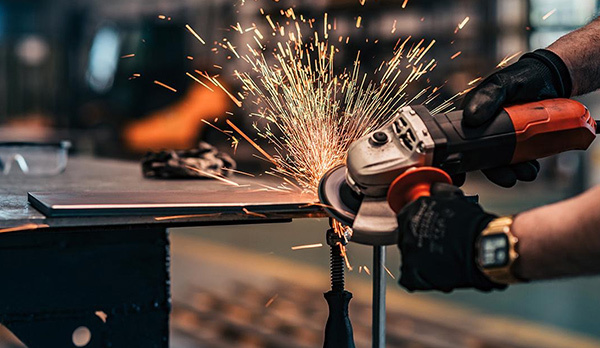
The flap disc’s versatility grants it a place in virtually every workshop. In metal fabrication and welding, it is the go-to tool for seamlessly blending welds, removing spatter, leveling seams, and preparing metal surfaces for painting or powder coating. Welders appreciate its ability to remove material without gouging the base metal, preserving its integrity. In the automotive repair sector, bodywork professionals use them for contouring body panels, smoothing filler, and removing rust before refinishing.
Beyond metal, flap discs are also used on materials like wood and plastics. When working with wood, they are excellent for shaping, smoothing curved edges, and removing old finish. In maintenance, repair, and operations (MRO) settings, they are used for everything from deburring machined parts and cleaning corrosion to sharpening tools and general equipment upkeep. Their flexibility allows them to conform to complex contours, achieving a uniform finish that would be difficult with a rigid disc.
Selecting the Right Flap Disc

Choosing the appropriate flap disc is paramount for efficiency, cost-effectiveness, and achieving the desired finish. The selection process should be guided by a series of questions.
First, identify the material you will be working on. For mild steel, aluminum oxide is a cost-effective choice. For harder alloys like stainless steel or Inconel, the upgraded performance of zirconia alumina or ceramic alumina will result in faster cutting and longer life, ultimately providing better value despite the higher initial cost.
Second, define your primary goal: is it rapid stock removal, blending, or fine finishing? Match the grit size to this goal—coarse for removal, fine for finishing.
Third, consider the shape. For work on flat surfaces and aggressive cutting, a Type 29 conical disc is often preferred. For general-purpose grinding, contour work, and finishing, a Type 27 flat disc is the standard. Fourth, ensure the disc is rated for the maximum speed (RPM) of your angle grinder. Never use a disc with a lower maximum RPM rating than your tool’s no-load speed.
Finally, do not underestimate the importance of brand and price. While budget discs exist, investing in a premium product from a reputable manufacturer often pays dividends. These discs are precisely balanced for smooth, vibration-free operation, which reduces operator fatigue and increases safety. They also feature superior grain technology and bonds that provide a consistently faster cut and longer life, lowering the cost per operation.
Beyond the Basics: Safety and Usage
A key adjunct to selection is proper usage. Always wear appropriate personal protective equipment (PPE): safety glasses, a face shield, hearing protection, and gloves. Ensure the workpiece is securely clamped. Let the tool do the work; applying excessive pressure will not speed up the process but will instead generate more heat, glaze the disc, and shorten its life. Use a consistent angle and move the disc across the workpiece to avoid gouging and achieve an even finish. Finally, regularly inspect discs for damage and never use one that is cracked or excessively worn.
In conclusion, the flap disc is a masterpiece of abrasive engineering. Its layered composition, variety of types, and precise manufacturing process make it an exceptionally adaptable and valuable tool. By understanding its fundamentals and making informed choices based on material, application, and required finish, users can unlock its full potential, achieving professional-grade results with remarkable efficiency and safety.
This post is also available in:


Leave a Reply
Want to join the discussion?Feel free to contribute!