
Diamond Saw Blades: Your Ultimate Guide to Types, Advantages & Smart Selection
In the demanding world of cutting hard, abrasive materials, diamond saw blades stand as the undisputed champions. Offering unparalleled efficiency, precision, and longevity compared to traditional abrasive blades, they have revolutionized industries from construction and stone fabrication to demolition and precision engineering. For professionals seeking optimal performance and cost-effectiveness, understanding the diverse landscape of diamond saw blades is essential. This comprehensive guide explores the latest types, their unique advantages, specific applications, and key selection factors.
Why Diamond Reigns Supreme

Diamond, the hardest known natural material, is the key. Diamond saw blades don’t “saw” like toothed blades; they grind. Industrial-grade diamond crystals are embedded within a metal or synthetic matrix (the “bond”) around the blade’s periphery. As the blade rotates at high speed, the exposed diamonds abrade the workpiece. The bond gradually wears away, exposing fresh, sharp diamonds throughout the blade’s lifespan. This process delivers:
- Exceptional Cutting Speed: Significantly faster than carbide or abrasive wheels.
- Superior Precision & Clean Cuts: Minimizes chipping and delivers smooth finishes.
- Long Service Life: Outlasts conventional blades many times over, reducing downtime and replacement costs.
- Versatility: Capable of cutting an enormous range of extremely hard materials.
- Reduced Waste: Cleaner cuts mean less material loss.
Core Classification: Manufacturing Methods
Diamond blades are primarily categorized by how the diamond-bearing segment is attached to the core:
Sintered Diamond Blades (Brazed or Laser Welded):
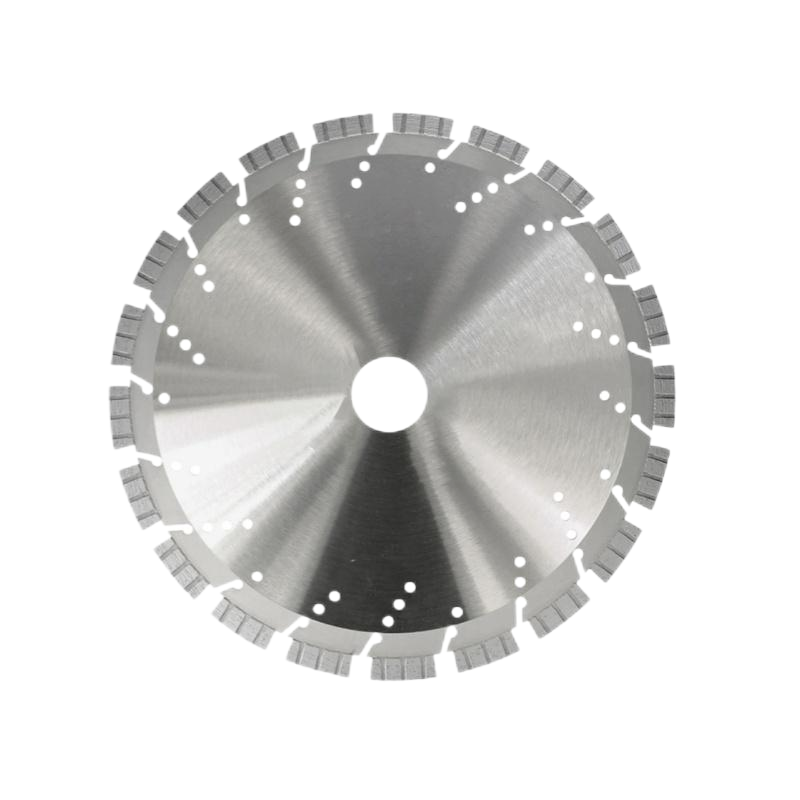
Manufacturing: Diamond segments are manufactured separately, typically by sintering (heating metal powder and diamond grit under pressure). These segments are then permanently bonded to the steel core using high-temperature brazing or advanced laser welding. Laser welding offers superior joint strength, especially crucial for high-RPM applications and demanding wet cutting.
Advantages:
- High Segment Bond Strength: Withstands significant lateral forces and high rotational speeds.
- Excellent Heat Dissipation: The metal core effectively draws heat away from the cutting edge.
- Durability & Long Life: Ideal for heavy-duty, continuous use.
- Wet or Dry Cutting: Most sintered blades can be used with water cooling or, if specifically designed, dry.
Applications: The workhorse of the industry. Used in walk-behind saws, high-power angle grinders, masonry saws, and wall saws for cutting concrete (reinforced and non-reinforced), asphalt, brick, block, natural stone (granite, marble, limestone), ceramic tile, and construction materials. Laser-welded variants are preferred for high-speed saws and critical applications.
Vacuum Brazed Diamond Blades (Surface-Set):
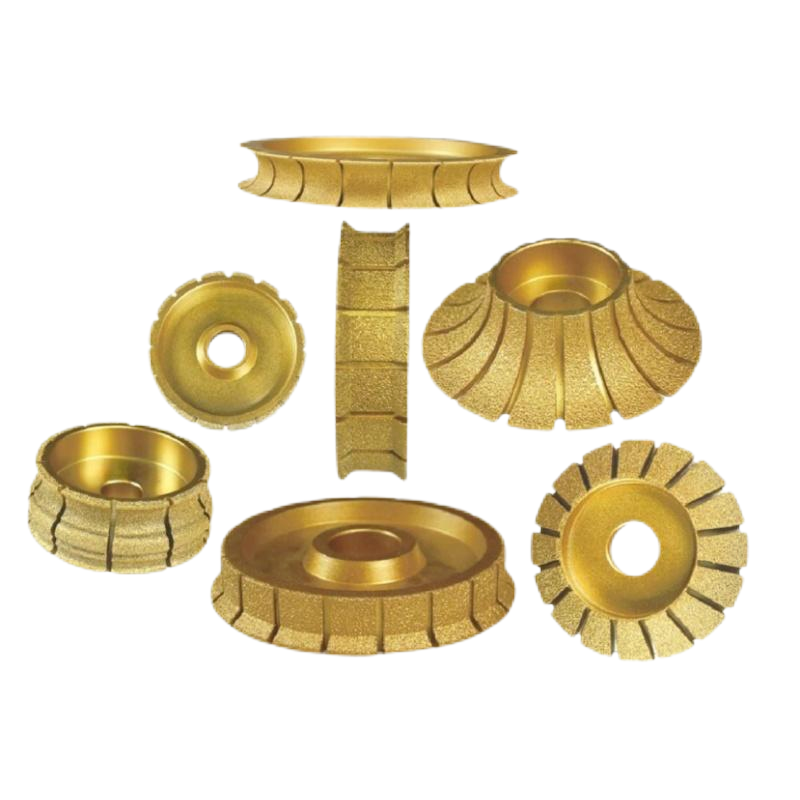
Manufacturing: A single layer of diamond grit is bonded directly onto the edge of a steel core using a precise vacuum brazing process. This creates a thin, continuous rim of diamonds.
Advantages:
- Aggressive Cutting Speed: Maximum diamond exposure leads to very fast initial cuts.
- Cost-Effectiveness (Initially): Often less expensive than segmented sintered blades.
- Clean, Precise Cuts: Excellent for materials prone to chipping.
- Thinner Kerf: Removes less material, beneficial for expensive stock.
Disadvantages:
- Shorter Lifespan: Once the single layer of diamonds is worn, the blade is finished.
- Less Forgiving: More susceptible to damage from twisting or hitting rebar/obstructions.
- Primarily Dry Cutting: Wet use can cause premature grit loss; check manufacturer specs.
Applications: Best suited for intermittent cutting of softer materials or precise cuts where speed is paramount. Common uses include cutting softer natural stones (marble, sandstone), ceramic and porcelain tiles (especially with specialized formulations), fiberglass, plastics, carbon fiber, asphalt shingles, and certain green concretes. Popular for smaller angle grinders and tile saws.
Classification by Segment Bond Type
The metal or synthetic matrix holding the diamonds dictates how fast the blade wears and what materials it cuts best. The bond must wear at a controlled rate to match the abrasiveness of the material, ensuring continuous diamond exposure.
Metal Bond Blades (Including Sintered):
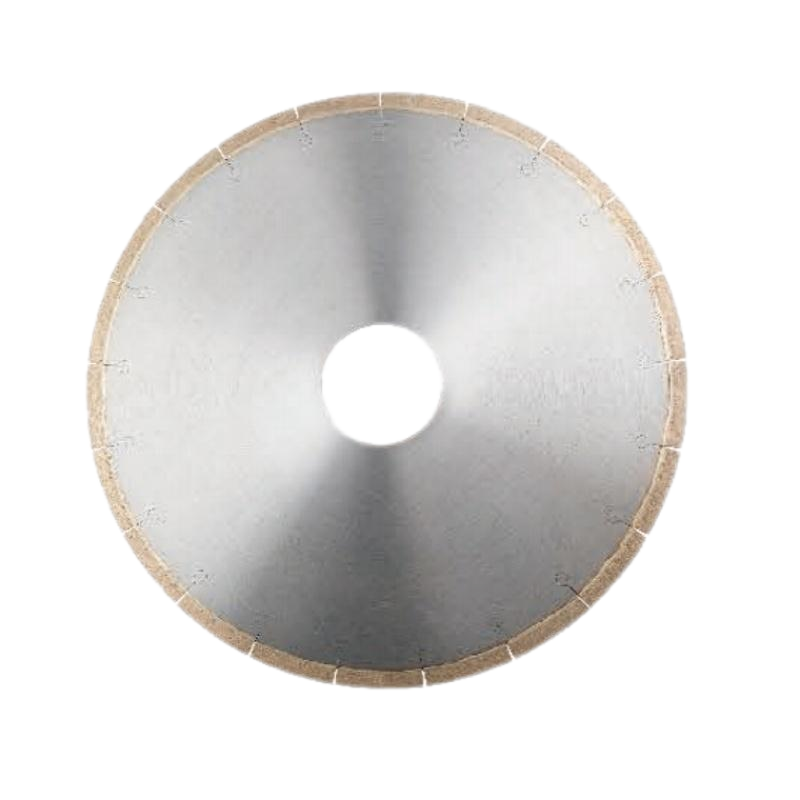
Composition: A powdered metal matrix (commonly cobalt, iron, copper, tungsten carbide, tin) sintered with diamond grit.
Advantages:
- High Wear Resistance: Longest lifespan, especially in abrasive materials.
- High Heat Tolerance: Excellent for high-speed, high-pressure cutting.
- Strength & Durability: Withstands significant force and impact.
Applications: The most common type. Ideal for cutting concrete (all types), asphalt, brick, block, highly abrasive natural stone (granite, quartzite), reinforced concrete (requires specific formulations to handle rebar), masonry, and construction debris. Harder bonds last longer in abrasive materials but cut slower; softer bonds cut faster but wear quicker in abrasives. Specialized bonds exist for granite, marble, asphalt, etc.
Resin Bond Blades:
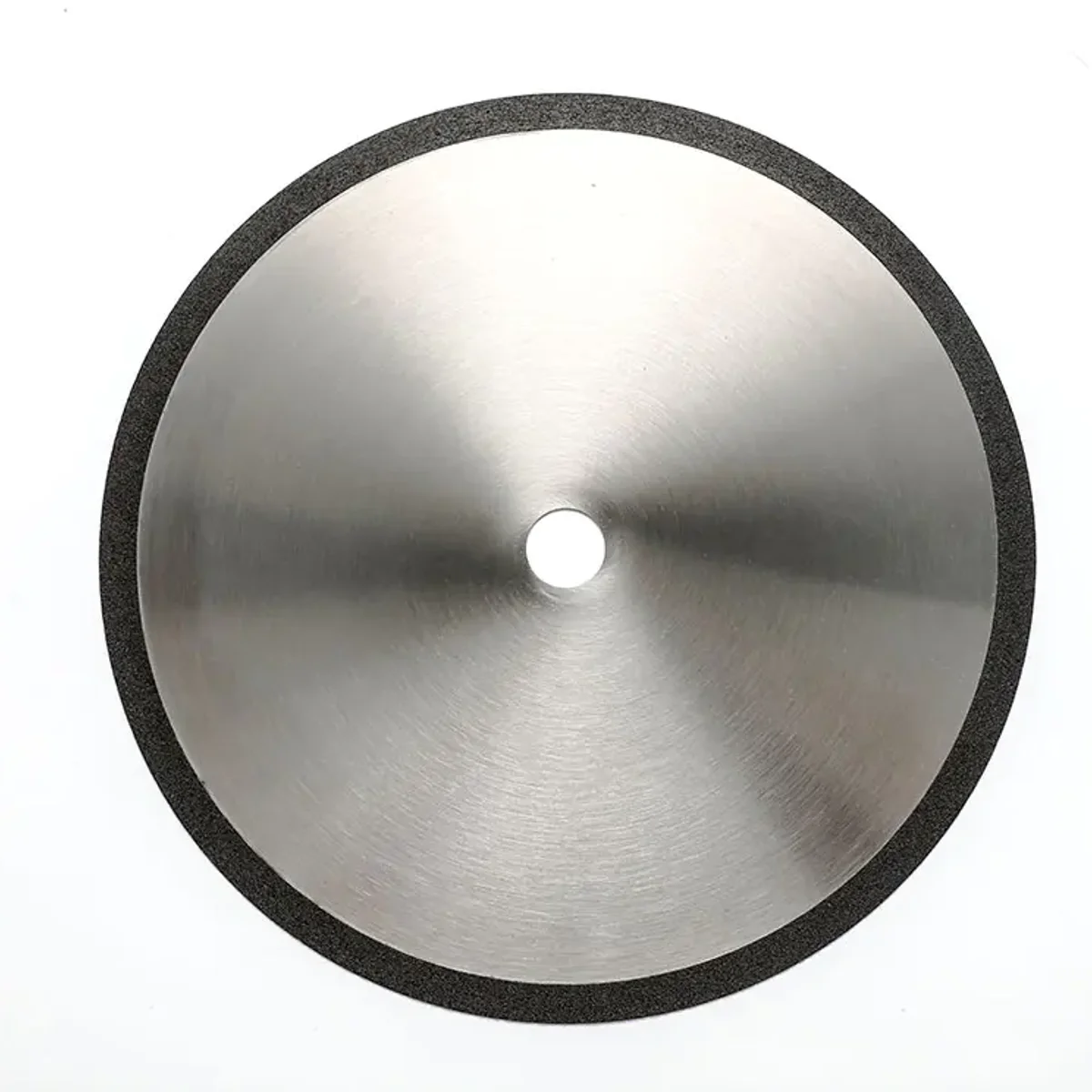
Composition: Diamond grit held in a synthetic resin/phenolic matrix. Often includes fillers for specific properties.
Advantages:
- Smooth, Chip-Free Cuts: Excellent for delicate materials and fine finishing.
- Cooler Cutting: Generates less heat, crucial for heat-sensitive materials.
- Quieter Operation: Generally quieter than metal bonds.
- Versatile for Dry Cutting: Many are specifically designed for dry operation.
Disadvantages:
- Lower Wear Resistance: Shorter lifespan, especially in highly abrasive materials.
- Less Suitable for Heavy-Duty/High-Pressure Cutting: The bond can glaze or break down.
Applications: Primarily used for cutting engineered stone (quartz composite), ceramic and porcelain tiles, glass (specialized types), marble and other soft stones requiring a polished edge, plastics, fiberglass-reinforced plastic, and certain abrasive building materials where a fine finish is needed. Often used dry on angle grinders and tile saws.
Hybrid (Metal-Resin) Bond Blades:
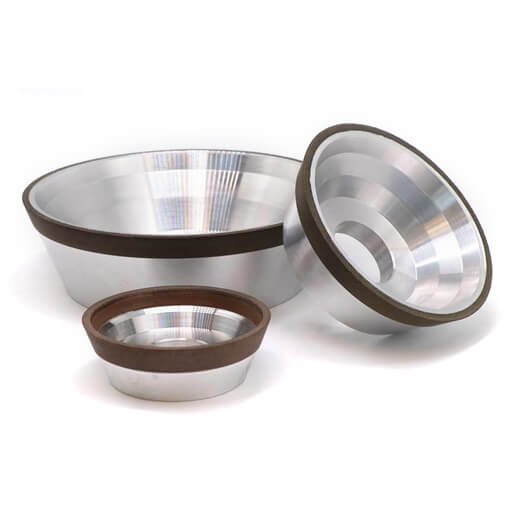
Composition: A blend of metal powders within a resin matrix. Aims to combine benefits of both.
Advantages:
- Improved Durability over Pure Resin: Longer lifespan while maintaining a good finish.
- Good Cutting Speed & Finish: Balances performance characteristics.
- Versatility: Handles a wider range of materials than pure resin.
Applications: Growing in popularity for cutting hard porcelain tiles, some engineered stones, abrasive bricks/blocks, and general construction materials where both lifespan and finish are important. Often used dry.
Ceramic Bond Blades (Emerging & Specialized):
Composition: Diamond grit held in a vitrified ceramic matrix.
Advantages:
- Exceptional Heat Resistance: Performs well under extreme high-speed/high-temperature conditions where metal bonds might fail.
- High Precision & Stability: Minimal segment deformation.
- Potential for Eco-Friendliness: Often uses less cobalt.
Disadvantages:
- Brittleness: More prone to chipping or cracking on impact.
- Less Common & Higher Cost: Still a developing technology for broad applications.
Applications: Primarily used in high-precision CNC machining of advanced ceramics (alumina, zirconia), semiconductor materials, optical glass, and aerospace composites. Gaining interest for specialized stone and concrete cutting under extreme conditions.
Classification by Segment Design & Application Focus
Beyond bond and attachment, segment shape and rim design optimize blades for specific tasks:
Continuous Rim Blades:

Design: A smooth, unbroken rim of diamond segments. Usually thin.
Advantages: Delivers the smoothest, most chip-free cuts possible. Precise.
Applications: Cutting ceramic tile, porcelain tile, glass, marble, slate, and other fragile materials. Primarily used wet on tile saws or CNC machines. Often use resin or hybrid bonds.
Segmented Rim Blades:

Design: Rim divided by gullets (spaces) into separate segments. Segment shape varies (turbo, trapezoidal, etc.).
Advantages: Gullets clear debris, cool the blade, and allow faster cutting. More durable than continuous rim. Better for deep cuts.
Applications: The standard for general construction. Cutting concrete (all types), brick, block, asphalt, natural stone (granite, limestone), masonry, and pavers. Used wet or dry. Almost exclusively metal bond.
Turbo Rim Blades:
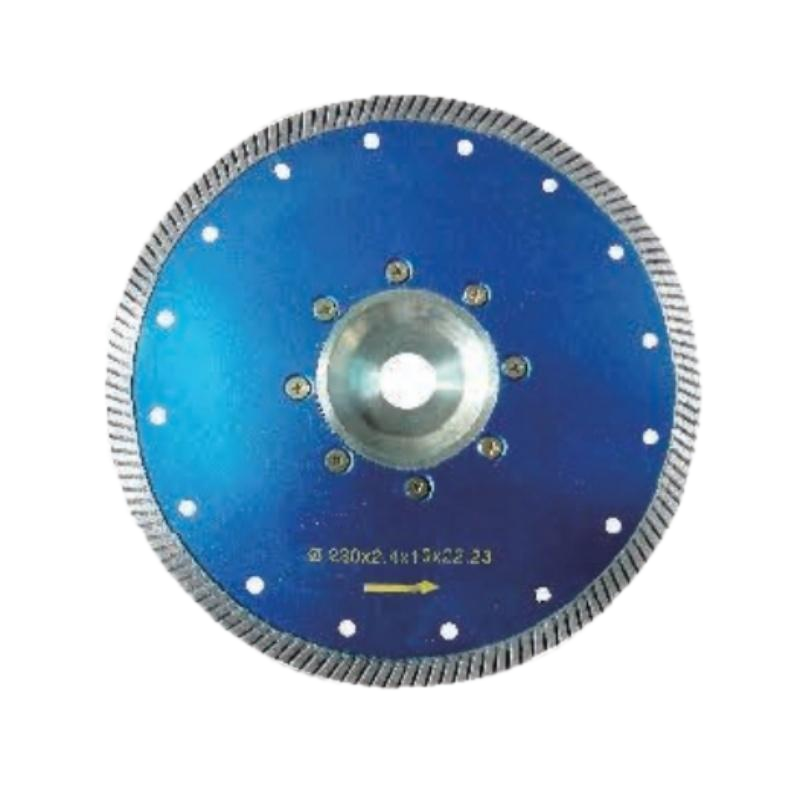
Design: Segmented rim where the segments have a serrated or wavy outer edge. A sub-type of segmented blades.
Advantages: Faster cutting speed than standard segmented blades due to increased diamond exposure and enhanced debris removal/cooling. Smooth finish for a segmented blade.
Applications: Versatile blades popular for cutting hard and abrasive natural stone (granite, quartzite), concrete, brick, and masonry. Excellent all-rounder for stone fabrication and construction. Can be metal or hybrid bond.
Turbo-Segmented (Serrated) Rim Blades:

Design: Segmented rim with deeper gullets and more pronounced serrations on the segment edges than standard turbo blades.
Advantages: Maximum debris removal and cooling. Very fast cutting speed, especially in abrasive, wet conditions.
Applications: Heavy-duty cutting of highly abrasive materials like reinforced concrete, asphalt, porous brick, and hard stone. Ideal for deep cuts with walk-behind saws. Primarily metal bond.
Abrasive (Notched) Rim Blades:
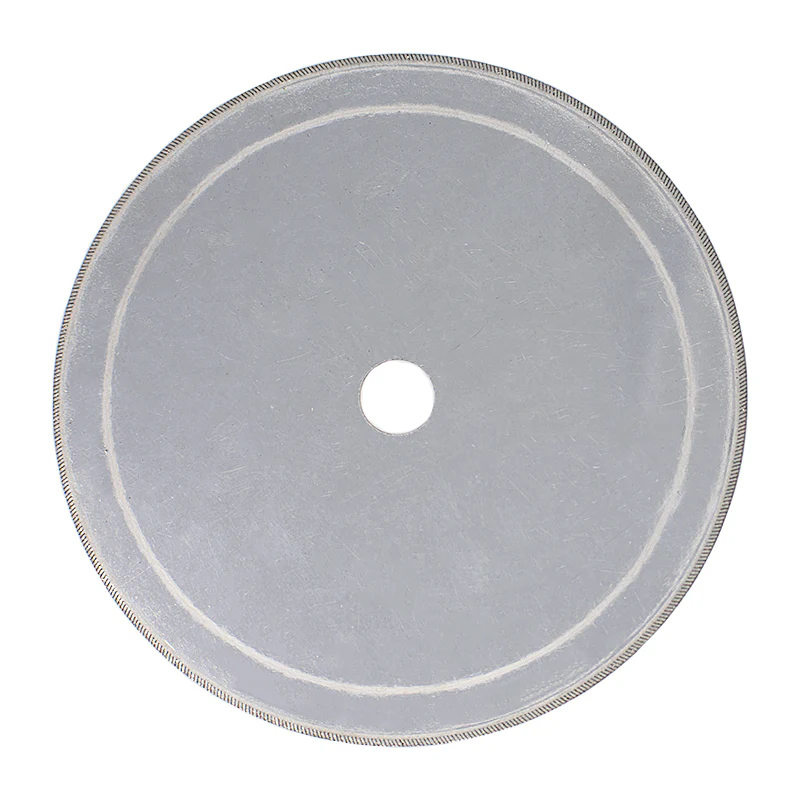
Design: Similar to segmented, but with deeper, wider gullets and often fewer, larger segments. The segments may have notches.
Advantages: Most aggressive debris removal. Designed for the most abrasive, difficult materials. Can handle significant impurities.
Applications: Cutting extremely abrasive concrete (old, cured), heavily reinforced concrete, masonry with hard aggregate, and demolition work. Metal bond only.
Choosing the Right Diamond Saw Blade: Key Considerations
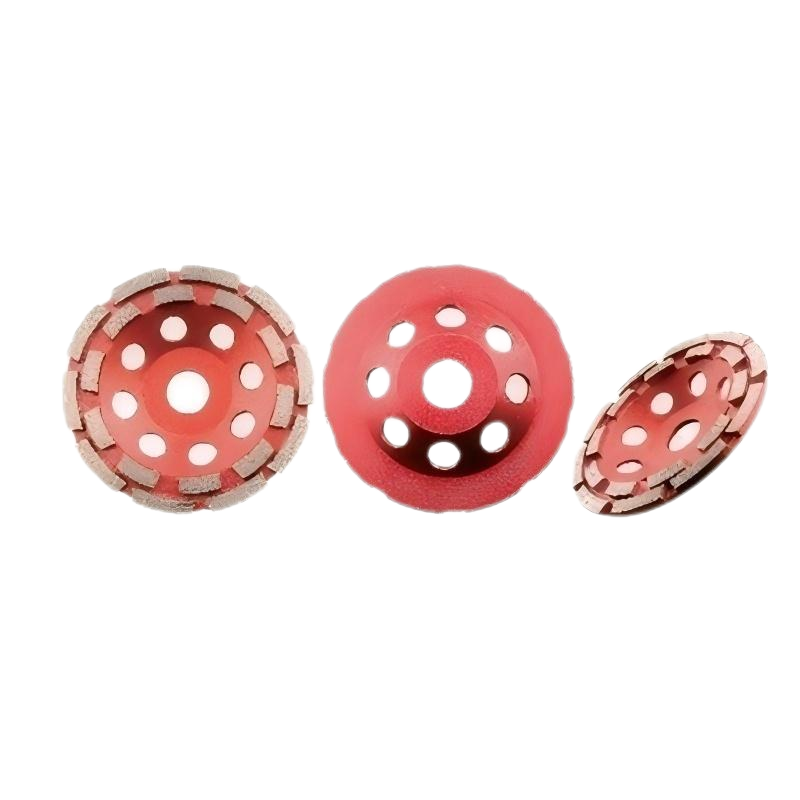
Selecting the optimal blade is critical for performance, safety, and cost. Consider these factors meticulously:
Material to be Cut: This is the MOST critical factor. Match the blade’s intended material (concrete, granite, tile, asphalt) precisely. Using a blade on a harder or more abrasive material than designed for will cause rapid wear or damage.
Equipment Specifications:
- Saw Type & Power: Hand-held grinder, walk-behind saw, wall saw, tile saw, CNC machine? Ensure the blade diameter and arbor hole match. Use blades rated for your saw’s maximum RPM (Revolutions Per Minute). Undersized blades on powerful saws can shatter.
- Wet or Dry Cutting: Always follow the blade manufacturer’s recommendation. Using a wet blade dry causes overheating and segment loss. Using a dry blade wet can cause segment disintegration. Wet cutting extends blade life and reduces dust.
Desired Cut Quality: Need a smooth, polished edge (Continuous Rim, Resin Bond) or is a rougher cut acceptable (Segmented, Metal Bond)?
Cutting Speed vs. Blade Life: Harder bonds last longer but cut slower. Softer bonds cut faster but wear quicker. Turbo blades offer a speed boost over standard segmented.
Diamond Quality & Concentration: Higher quality, blocky diamonds last longer. Higher diamond concentration increases life but may slightly reduce initial speed. Premium blades use superior diamonds.
Rebar/Reinforcement: Cutting reinforced concrete requires blades specifically designed to handle the steel (metal bond, often with specific segment designs/formulations). Vacuum brazed blades are easily damaged by rebar.
Latest Trends & Innovations

Low-Cobalt/Alternative Bonds: Driven by cobalt price volatility and environmental/supply chain concerns, manufacturers are developing high-performance metal bonds using iron-based or copper-tin systems, sometimes with specialized additives.
Enhanced Diamond Grit: More consistent, blocky synthetic diamonds and specialized coatings improve toughness and bonding.
Optimized Segment Design: Advanced CAD and simulation optimize segment shape, gullet design, and diamond distribution for specific materials and cutting conditions.
CNC-Specific Blades: Blades designed for the high speeds, precision, and automated tool changes of CNC stone and glass processing centers, often featuring specialized bonds and geometries.
Focus on Dust Suppression: Blades designed for efficient dry cutting often incorporate features to work better with dust extraction systems.
Maximizing Performance & Safety
Follow Manufacturer Instructions: Always adhere to RPM limits, wet/dry requirements, and break-in procedures (if specified).
Use Adequate Power: An underpowered saw forces the blade, causing overheating and premature wear.
Ensure Proper Flange Size: Correct flanges stabilize the blade and prevent core damage.
Feed Rate: Apply steady, appropriate pressure. Forcing the blade causes overheating; too little pressure causes glazing (the bond wears too slowly, polishing the diamonds). Let the blade do the work.
Keep it Cool: Use water whenever possible and allowed. For dry cutting, use short bursts and allow cooling.
Inspect Regularly: Check for segment damage, cracks (especially around the arbor), or warping. Never use a damaged blade.
Wear PPE: Always use safety glasses, hearing protection, respirator (especially for dry cutting), gloves, and appropriate clothing.
Conclusion

Diamond saw blades represent a significant investment in productivity and quality for countless industries. Understanding the intricate differences between sintered and vacuum brazed construction, the critical role of bond types (metal, resin, hybrid, ceramic), and the application-specific designs of segment rims (continuous, segmented, turbo, abrasive) empowers you to select the perfect blade for every job. This ensures not only the fastest, cleanest cuts but also maximizes blade life, optimizes operational costs, and guarantees safety.
When sourcing diamond saw blades, partner with a knowledgeable supplier who can provide technical support and blades engineered with the latest materials and manufacturing techniques. By matching the blade precisely to your material, equipment, and cutting requirements, you unlock the true power and efficiency that diamond technology offers. Contact us today to discuss how our range of premium diamond saw blades can elevate your cutting operations.
This post is also available in:


Leave a Reply
Want to join the discussion?Feel free to contribute!