
Resin Bonded vs. Rubber Bonded Cutting Wheels: A Comprehensive Guide for Industrial Professionals
In the world of industrial abrasives, selecting the right tool for the job is not merely a matter of preference—it is a critical decision that impacts efficiency, cost, safety, and the quality of the final product. Among the most fundamental and widely used tools are cutting wheels, thin abrasive discs designed for cutting through hard materials. While they may appear similar to the untrained eye, the composition of the bond that holds the abrasive grains together is what truly defines their performance. Two of the most prevalent and important bond types are resin and rubber. Understanding the distinct characteristics, applications, and advantages of resin bonded and rubber bonded cutting wheels is essential for any professional aiming to optimize their operations.
This article delves into the science and application of these two abrasive powerhouses, providing you with the knowledge to make an informed choice.
The Fundamental Role of the Bond
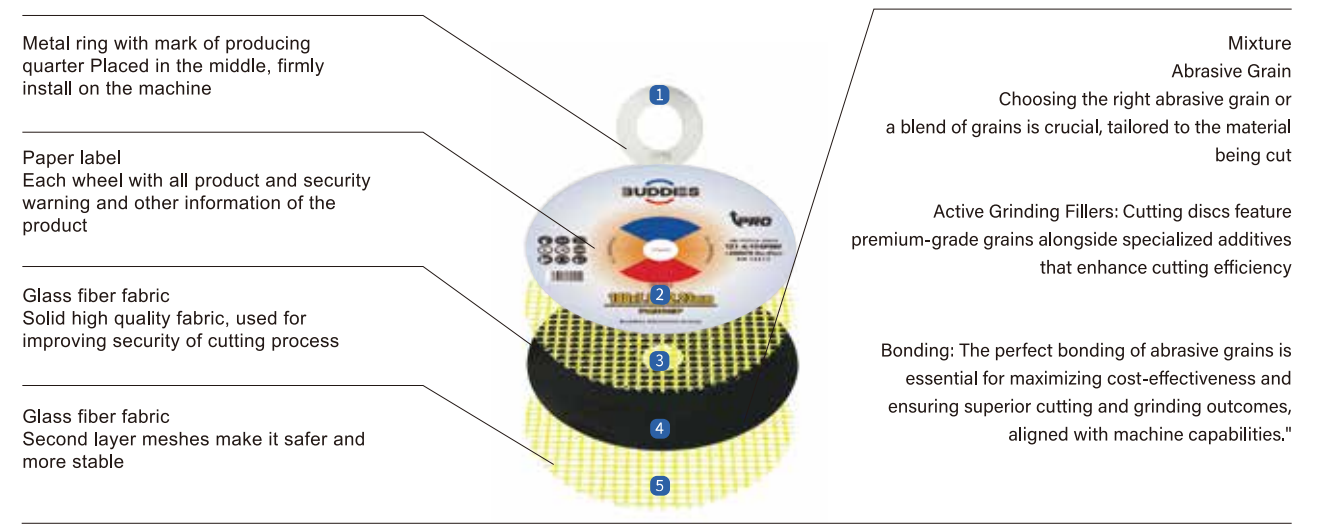
Before contrasting the two, it is crucial to understand the role of the bond itself. An abrasive cutting wheel is not a solid piece of cutting material. It is a composite tool consisting of three key components.
Abrasive Grains: These are the hard, sharp particles that do the actual cutting. Common materials include Aluminum Oxide (for steel and ferrous alloys), Zirconia Alumina (for high-pressure cutting of tough steels), and Silicon Carbide (for non-ferrous metals like aluminum, stone, and ceramics).
Bond: This is the matrix or the “glue” that holds the abrasive grains together in a solid form. It must be strong enough to retain the grains during the intense forces of cutting, yet it must also wear away at a controlled rate to expose fresh, sharp grains—a process known as “self-sharpening.”
Reinforcements: These are materials, typically fiberglass mesh, layered within the wheel to provide crucial tensile strength and prevent the wheel from breaking apart under high rotational speeds.
The bond formula is a proprietary mixture for most manufacturers, but its base material—resin or rubber—sets the primary performance parameters of the cutting wheel.
Resin Bonded Cutting Wheels: The Workhorse of Industry
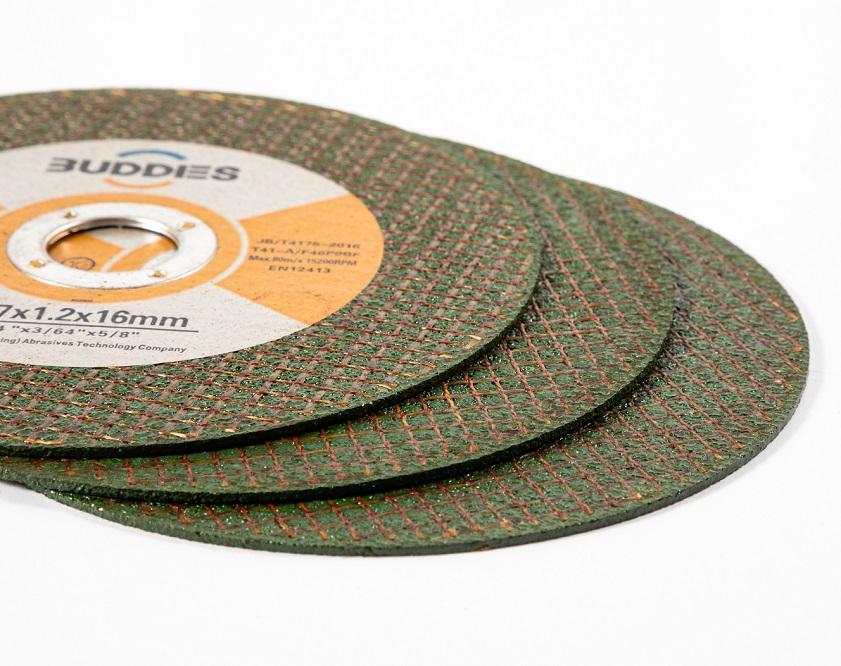
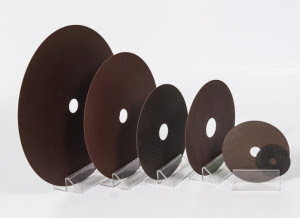
Resin bonded wheels, often recognized by their dark brown color, are the most common type of cutting wheel found in metal fabrication, construction, and welding shops. The bond is typically made from phenolic resin, a synthetic polymer known for its excellent heat resistance, strength, and durability.
Key Characteristics and Mechanism
Resin bonds are relatively rigid and brittle. This intentional characteristic is the key to their function. As the wheel contacts the workpiece, the friction generates immense heat. This heat softens the resin bond in the immediate area of contact, allowing worn abrasive grains to be released efficiently. This continuous and controlled breakdown exposes new, sharp grains, maintaining a consistent and aggressive cutting rate throughout the wheel’s life. This process makes them excellent for “free-cutting” applications.
Primary Applications
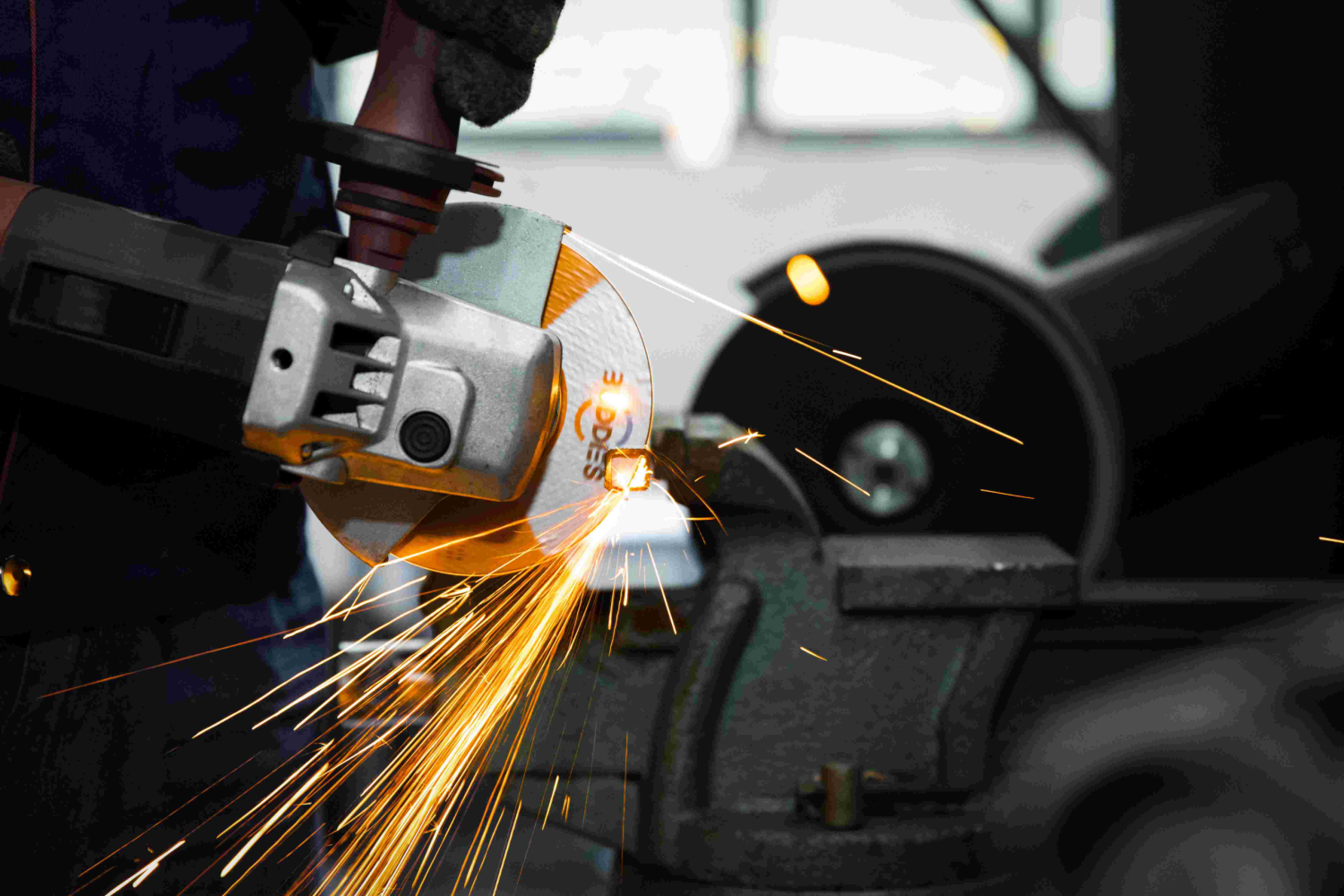
Cutting Ferrous Metals: This is their primary domain. They are exceptionally effective on mild steel, stainless steel, rebar, iron, and other ferrous alloys.
High-Speed, High-Pressure Cutting: Their rigid structure allows them to withstand the significant pressure applied in chop saws (cut-off saws) and high-powered angle grinders.
General Purpose and Heavy-Duty Cutting: From demolition work to precise fabrication, resin wheels are the versatile default choice for a vast range of tough materials.
Advantages of Resin Bonded Wheels
Fast Cutting Speed: They offer one of the highest material removal rates (MRR) available, drastically reducing cutting time.
Cost-Effectiveness: Generally, they are more economical to produce, making them a lower-cost option for high-volume, demanding jobs.
High Tensile Strength: Modern resin bonds combined with multiple layers of fiberglass mesh create wheels with very high Revolutions Per Minute (RPM) ratings, ensuring safety and reliability.
Wide Availability: They are available in a huge range of sizes, thicknesses, and specifications for every conceivable application.
Rubber Bonded Cutting Wheels: The Specialist for Precision and Safety
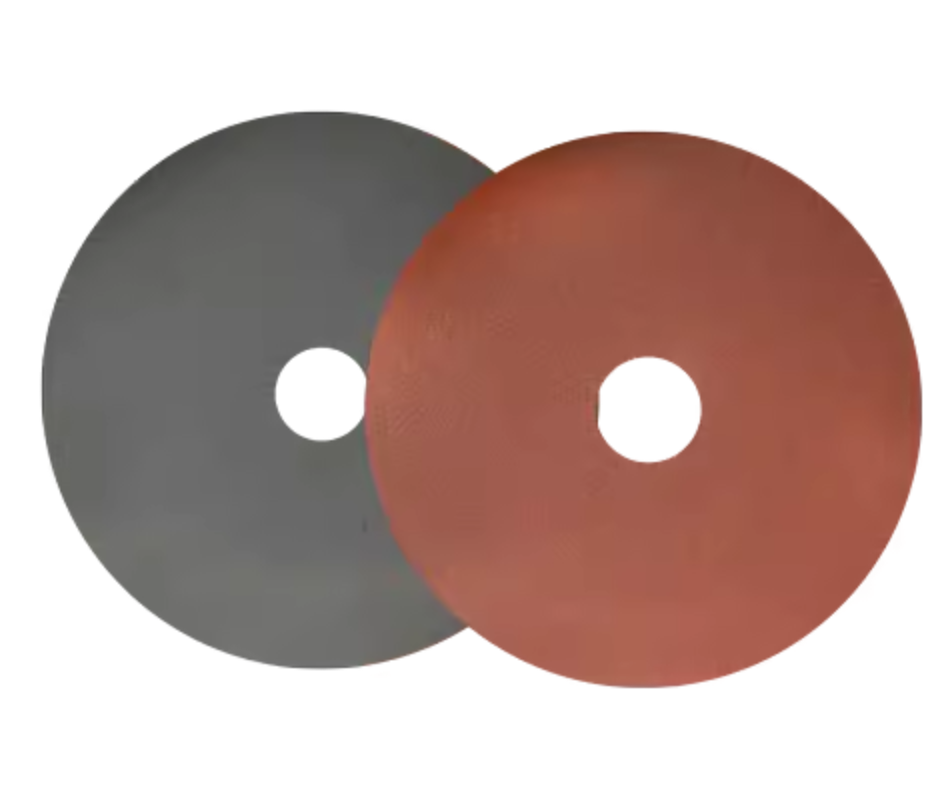
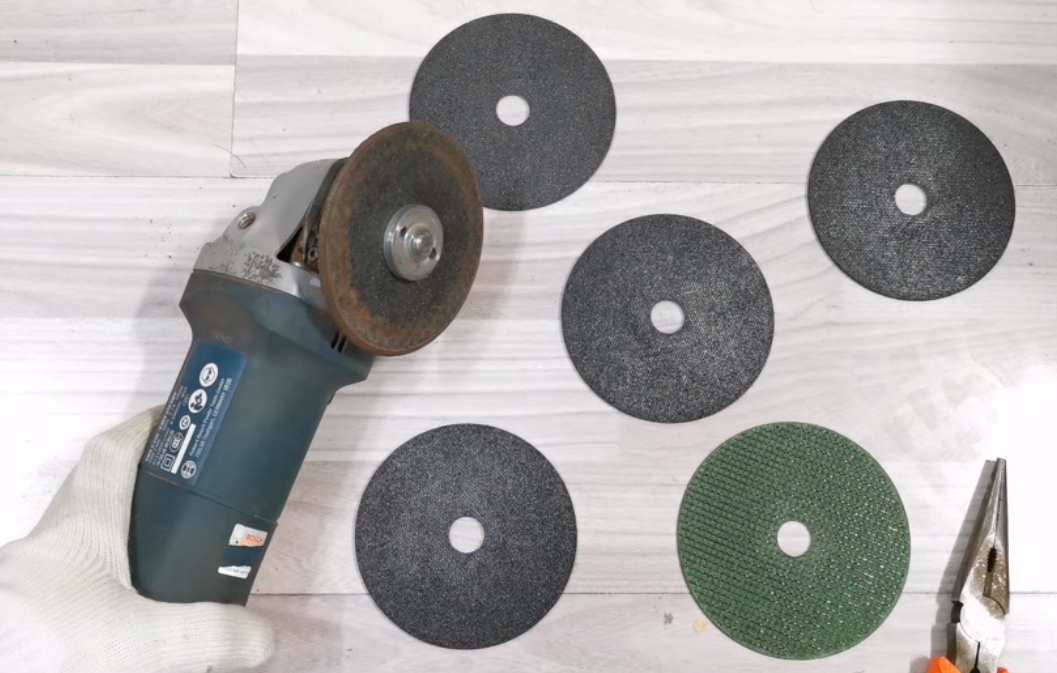
Rubber bonded cutting wheels, often lighter in color (sometimes green or white), are engineered for a different set of priorities. As the name suggests, their bond incorporates synthetic rubber and other elastic polymers, giving the wheel fundamentally different properties.
Key Characteristics and Mechanism
The inclusion of rubber creates a more flexible and resilient bond. This elasticity allows the wheel to absorb vibrations and impacts, resulting in a much smoother and quieter cutting operation. The rubber bond wears differently than resin; it tends to erode more through a shearing action rather than thermal softening. This can result in a slightly slower cut but produces a cleaner edge with less burr. Furthermore, rubber is an excellent electrical insulator, a property that is critical for certain safety applications.
Primary Applications
Cutting Non-Ferrous Metals: They are the preferred choice for materials like aluminum, copper, brass, and bronze. The rubber bond is less likely to load up or clog with the softer, gummier chips produced by these metals.
Stainless Steel and Precision Cutting: When a clean, burr-free cut on stainless steel is required—especially in food processing, pharmaceutical, or aerospace industries—rubber wheels excel. They minimize work hardening and contamination of the stainless surface.
Safety-Sensitive Environments: Their non-conductive nature makes them mandatory for use in environments where there is a risk of accidentally cutting into live electrical cables or components.
Wet Cutting: Many rubber bonded wheels are designed specifically for use with water in specialized cut-off saws. The water cools the workpiece and suppresses dust, and the rubber bond is compatible with this cooling method.
Advantages of Rubber Bonded Wheels
Smooth, Quiet Operation: Reduced vibration leads to less operator fatigue and a more pleasant working environment.
Clean, Burr-Free Cuts: Produces a higher quality finish that often requires less secondary processing.
Electrical Insulation: Provides a critical layer of safety when working near electrical hazards.
Reduced Clogging: Superior performance on soft, non-ferrous metals.
Beyond the Basics: Modern Innovations and Selection Tips
The dichotomy between resin and rubber is not always absolute. Leading manufacturers are constantly innovating, creating hybrid bonds and adding advanced fillers to enhance performance.
Reinforced Resin Wheels: Many premium resin wheels now include additives like glass powder or mineral fillers to increase strength, improve heat dissipation, and allow for even thinner wheels for faster cutting and less material waste (kerf loss).
Specialty Grains: The performance of any wheel is a synergy between the abrasive grain and the bond. The rise of premium grains like Ceramic Aluminum Oxide and sophisticated Zirconia blends has pushed the performance of both resin and rubber bonds to new levels, offering dramatically longer life and faster cutting.
How to Select the Right Wheel
Material to be Cut: This is the most important factor. Ferrous metal? Start with resin. Non-ferrous or stainless requiring a fine finish? Lean towards rubber.
Required Cut Quality: Is speed the only goal, or is a clean, ready-to-use finish necessary?
Power Tool and RPM: Always ensure the wheel’s maximum operating speed (RPM) exceeds that of your tool. Never use a wheel that is not rated for your tool’s speed.
Safety Requirements: Is there any risk of contacting electrical sources? If yes, a non-conductive rubber wheel is a must.
Value Analysis: While initial cost is a factor, consider the total job cost. A more expensive wheel that lasts twice as long and cuts twice as fast may be far more economical in the long run through reduced labor and fewer wheel changes.
Conclusion
There is no universal “best” cutting wheel. The choice between resin bonded and rubber bonded cutting wheels is a strategic one, dictated by the specific application at hand. Resin bonded wheels stand as the undisputed workhorse, offering rugged reliability and blistering speed for the vast majority of metal cutting tasks. Rubber bonded wheels, on the other hand, are the precision specialists, delivering superior finishes on challenging materials and providing an essential safety feature in hazardous environments.
By understanding the science behind these bonds and carefully evaluating your project requirements, you can move beyond guesswork and select the optimal abrasive tool. This knowledge empowers you to achieve greater productivity, enhance workplace safety, and ensure the highest quality results, ultimately strengthening your operational efficiency and your bottom line. Investing in the right wheel is an investment in performance.
This post is also available in:


Leave a Reply
Want to join the discussion?Feel free to contribute!