
Unveiling the Diamond Grinding Wheel: The Super Tool in Precision Grinding
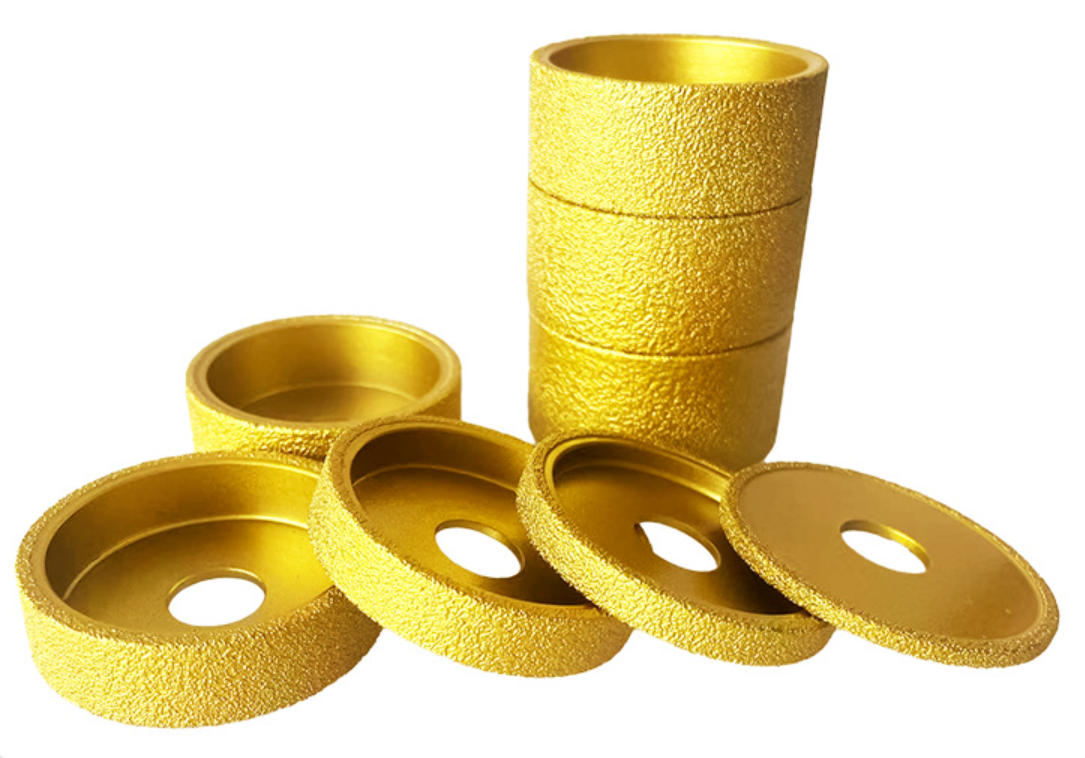
In the vast landscape of industrial manufacturing, few tools are as crucial yet understated as the diamond grinding wheel. Simply put, a diamond grinding wheel is a superabrasive tool composed of diamond grains bonded together by metal, resin, ceramic, or a plated metal matrix, forming a solid circular structure with a central hole. While it may look unassuming, its internal architecture is a marvel of engineering, typically consisting of three integral parts: the diamond abrasive layer, the transition layer, and the core. Each layer plays a distinct yet collaborative role, enabling the wheel to perform high-efficiency grinding tasks with exceptional precision.
Deconstructing the Diamond Wheel: A Trio of Performance
Think of its structure as a precision team where every member has a dedicated role:
The Abrasive Layer: The Cutting Edge
This outer layer is the frontline warrior. It contains diamond abrasives, the bond, and filler materials. The diamond grains, the hardest material found in nature, act as the primary cutting force, effortlessly machining hard and brittle materials. The bond material acts as a powerful adhesive, holding the diamonds firmly in place and providing structural integrity and shape stability. Fillers are added to enhance performance, such as improving wear resistance or reducing grinding forces.
The Transition Layer: The Unsung Hero
Sitting between the abrasive layer and the core, this layer is the critical bridge. Made from a mix of bond and filler materials, it doesn’t participate in grinding but is vital for safety and durability. It dramatically enhances the bonding strength between the abrasive layer and the core, preventing the abrasive ring from detaching under high rotational speeds and immense grinding forces. It’s the essential safety lock ensuring overall stability.
The Core: The Solid Foundation
Typically manufactured from aluminum, steel, or composite materials, the core is the backbone of the entire wheel. It supports the abrasive layer and is securely mounted onto the grinding machine spindle via a flange. A high-quality, well-balanced core minimizes vibration and noise during high-speed operation, which is fundamental for achieving superior grinding accuracy and finish.
Why Diamond Wheels Stand Out: Unmatched Properties
Diamond grinding wheels outperform conventional abrasive wheels due to a combination of exceptional properties:
Exceptional Hardness & Cutting Ability: Diamond’s inherent supreme hardness allows these wheels to easily grind challenging materials like tungsten carbide, advanced ceramics, and optical glass, significantly boosting productivity.
Superior Wear Resistance: Diamond grains wear down very slowly, ensuring consistent grinding performance over a much longer lifespan compared to standard wheels. This reduces downtime for wheel changes and lowers the long-term cost of operation.
High Precision Machining: The minimal wear of diamond grains allows the wheel to maintain its form and cutting profile. This stability is indispensable in precision manufacturing, enabling tolerances critical in industries like aerospace and semiconductor manufacturing.
Low Grinding Force & Excellent Thermal Conductivity: These wheels typically generate less force on the workpiece, reducing the risk of deformation or damage. Furthermore, diamond’s excellent thermal conductivity helps dissipate heat quickly, preventing thermal damage such as burns or micro-cracks on the finished surface.
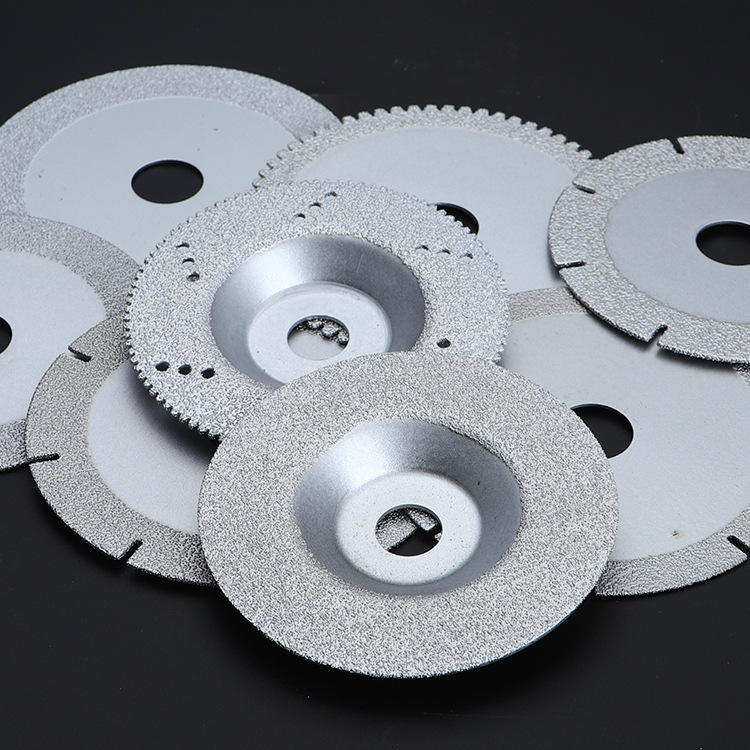
Broad Applications: A Key Tool Across Industries
The unique properties of diamond grinding wheels make them indispensable in modern manufacturing:
Aerospace: Used for precision grinding and finishing of high-strength components like jet engine turbine blades, where extreme accuracy and surface integrity are non-negotiable for safety and performance.
Tool & Die Manufacturing: Essential for creating and maintaining high-precision molds and dies from hardened steels, ensuring the quality and efficiency of mass-production processes for plastics, stamping, and casting.
Semiconductor & Electronics: Critical in the production of silicon wafers and other components. According to a report from Precision Manufacturing Group, diamond grinding is a key step in wafer thinning, allowing for precise thickness control and minimal sub-surface damage, which directly increases wafer yield.
Optics Manufacturing: Enables the ultra-precise grinding and polishing of optical glass and crystals, achieving nanometer-level surface finishes required for high-performance lenses and laser components.
Stone & Construction: A traditional and widespread application, diamond wheels are the go-to solution for efficiently cutting, shaping, and polishing natural and engineered stone, from granite countertops to architectural elements.
As a leading manufacturer of high-performance abrasives, including cutting discs, grinding wheels, sanding belts, and related power tool accessories, we leverage the advanced technology of diamond tools to provide our global clients with reliable, efficient grinding solutions. Explore our product range to discover how we can enhance your manufacturing capabilities.
This post is also available in:


Leave a Reply
Want to join the discussion?Feel free to contribute!