
A Comprehensive Guide to Cutting and Grinding Aluminum: Selecting the Right Abrasives for a Gummy Metal
Aluminum is a cornerstone of modern manufacturing, valued for its light weight, strength-to-weight ratio, and corrosion resistance. However, these same properties present significant challenges during fabrication, particularly in cutting and grinding operations. Its relatively soft and ductile nature causes it to be “gummy,” leading to frequent loading (clogging) of abrasive wheels, excessive heat buildup, and a poor surface finish if incorrect tools are used. Successfully working with aluminum requires a clear understanding of its material science and the selection of specialized abrasives designed to overcome these challenges.
Understanding the Challenge – Why is Aluminum “Gummy”?
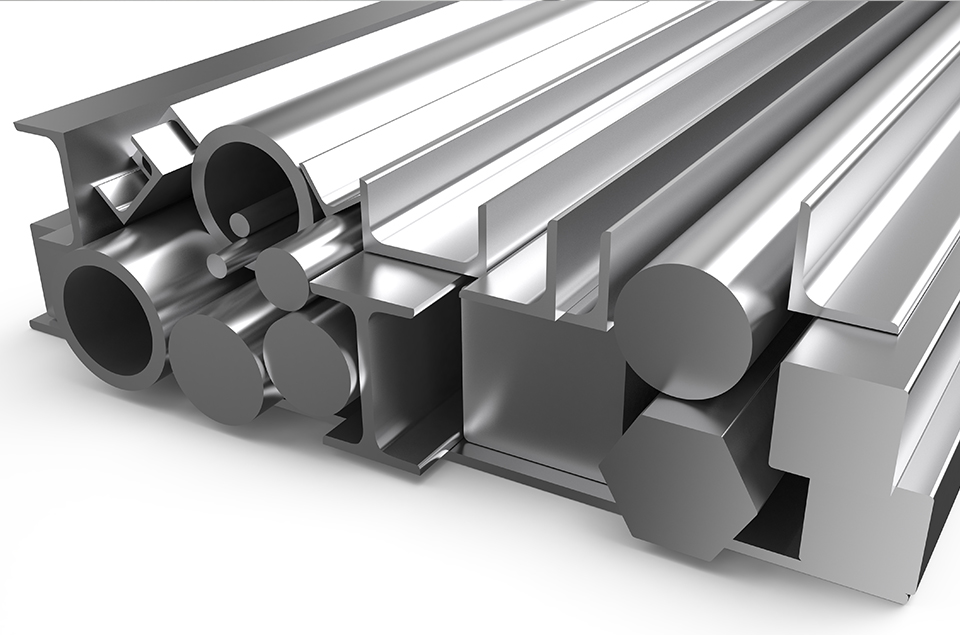
The fundamental issue lies in aluminum’s metallurgical properties.
- Low Melting Point and High Thermal Conductivity:While aluminum has a melting point of around 660°C (1220°F), its oxide layer (Aluminum Oxide, or Alumina) has a much higher melting point of over 2000°C (3632°F). During grinding or cutting, the friction-generated heat is rapidly conducted through the aluminum workpiece. However, the localized heat at the point of contact can soften the aluminum below its surface before it melts. This softened, plasticized material then easily adheres to the pores and spaces between the abrasive grains on a cutting or grinding wheel.
- Ductility:Aluminum is highly ductile, meaning it deforms plastically under stress rather than fracturing cleanly like cast iron or steel. Instead of being cleanly sheared into small chips, the material tends to “smear” and weld itself onto the abrasive tool’s surface.
This combination of heat-induced softening and smearing leads to loading. A loaded wheel is ineffective; the bonded aluminum chips prevent the sharp abrasive grains from making contact with the workpiece. This results in:
- Increased Heat: More friction is generated as the loaded surface rubs against the workpiece.
- Reduced Cutting Efficiency: The process becomes slower and requires more operator pressure.
- Poor Surface Finish: The finished surface becomes torn, scratched, and uneven.
- Safety Hazards: Excessive heat and pressure can lead to wheel disintegration, and the increased force required can cause loss of control.
The Science of the Solution – Key Design Features of Aluminum-Specific Abrasives
To combat loading and overheating, manufacturers have developed abrasives with specific design features.
- Abrasive Grain Type

- Zirconia Alumina (ZA): This is the industry standard and most recommended abrasive for aluminum grinding and cutting. Zirconia alumina grains are exceptionally tough and durable. Crucially, they exhibit a “self-sharpening” characteristic. As the grain wears, it fractures in a controlled manner, constantly exposing new, sharp cutting edges. This continuous renewal prevents the grains from becoming dull and glazed, which is a primary cause of heat buildup and loading.
- Ceramic Alumina: Often found in premium high-performance depressed center grinding wheels, ceramic alumina grains are ultra-hard and micro-fracture similarly to Zirconia Alumina. They excel in high-pressure applications and generate less heat, but they are typically more expensive.
- Silicon Carbide (SiC): This is a very sharp and hard grain, but it is also brittle. It is excellent for non-ferrous metals like aluminum in certain applications, particularly for finer finishing with resin fiber discs (sanding discs) or in bench grinding operations. Its sharpness provides a clean cut with less “tearing.”
Avoid Aluminum Oxide for Heavy-Duty Work: While common and inexpensive, standard aluminum oxide grains dull quickly on aluminum. They round over instead of self-sharpening, leading to rapid loading and excessive heat. They can be used for very light deburring but are not suitable for aggressive material removal.
- Bond Type and Additives: The Anti-Loading (Anti-Clog) Coating

The bond is the material that holds the abrasive grains together. For aluminum, the bond’s formulation and any added coatings are critical.
- Resinoid Bonds: Used in cutting-off wheels and depressed center grinding wheels, the resin bond for aluminum is formulated to be slightly softer. This allows the wheel to wear and shed its grains at the optimal rate, synergizing with the self-sharpening action of Zirconia Alumina grains.
- Anti-Loading (Anti-Clog) Coatings: This is the most important feature for grinding and sanding discs. These coatings, often stearate-based (e.g., zinc stearate or calcium stearate), are applied to the surface of the abrasive product. Stearate is a soap-like compound that acts as a dry lubricant. It reduces friction and heat at the point of contact. More importantly, it creates a barrier that prevents the soft, gummy aluminum chips from chemically bonding or mechanically welding themselves to the abrasive grain and the backing. The chips are instead released, keeping the wheel or disc clean and cool.
- Wheel and Disc Design
- Open Coat vs. Dense Coat: Aluminum-specific abrasives almost always feature an open coat structure. This means the abrasive grains are spaced further apart, leaving significant gaps between them. These gaps, or “voids,” provide room for the large, stringy aluminum chips to be ejected from the wheel, preventing them from becoming packed in.
- Reinforcement: Cutting and grinding wheels for aluminum, especially those used on high-speed angle grinders, are often reinforced with fiberglass mesh. This reinforcement is crucial for safety, providing the tensile strength needed to prevent the wheel from bursting under lateral pressure.
Product-Specific Selection Guide
A. Cutting Aluminum: Cutting-Off Wheels
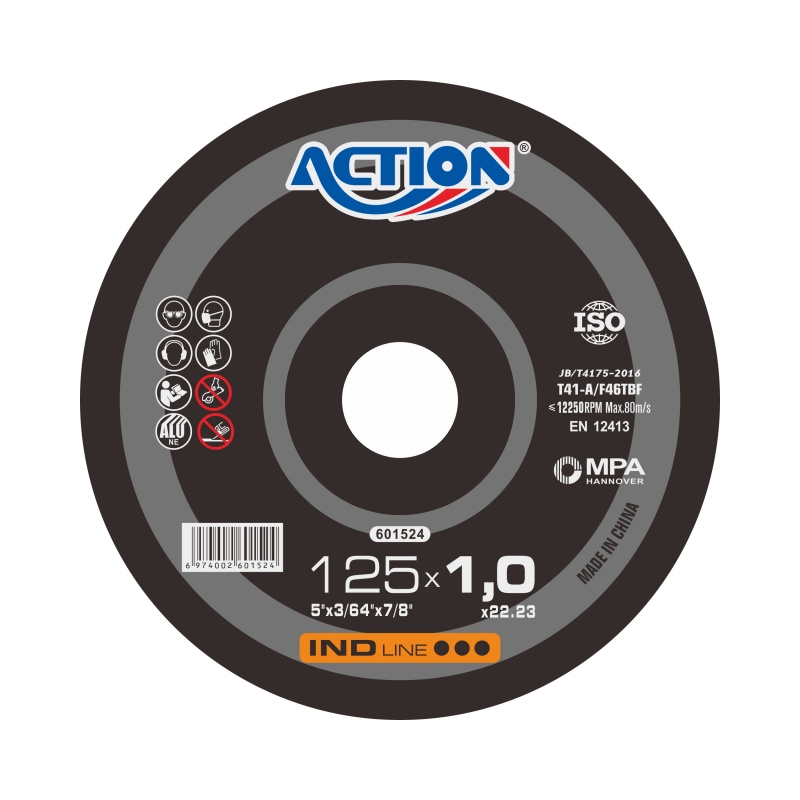
Type: Re-inforced Resinoid Bonded Cutting-Off Wheels (Type 41 for Angle Grinders).
Key Features:
- Abrasive: Zirconia Alumina.
- Design: Thin, reinforced, and often with an open structure.
- Specialty Wheels: Some manufacturers offer wheels specifically labeled for aluminum and non-ferrous metals. These often have a unique, more open grain pattern and a specialized bond to maximize chip clearance.
Selection Tip: Do not use a generic masonry or steel-cutting wheel. They are too dense and will load up almost instantly, becoming dangerously hot and ineffective.
B. Grinding and Stock Removal: Depressed Center Grinding Wheels

Type: Depressed Center Grinding Wheels (Type 27).
Key Features:
- Abrasive: Zirconia Alumina or Ceramic Alumina.
- Design: Open, non-continuous grain pattern. Some are designed with raised hubs or special patterns to increase airflow and chip clearance.
- Anti-Loading: While not coated like sanding discs, the bond and grain structure are engineered to resist loading.
Application: Used for heavy weld removal, beveling, and aggressive surface grinding. Always use a guard and maintain the appropriate angle (5-15 degrees) to the workpiece.
C. Surface Finishing and Blending: Flap Discs and Fiber Discs
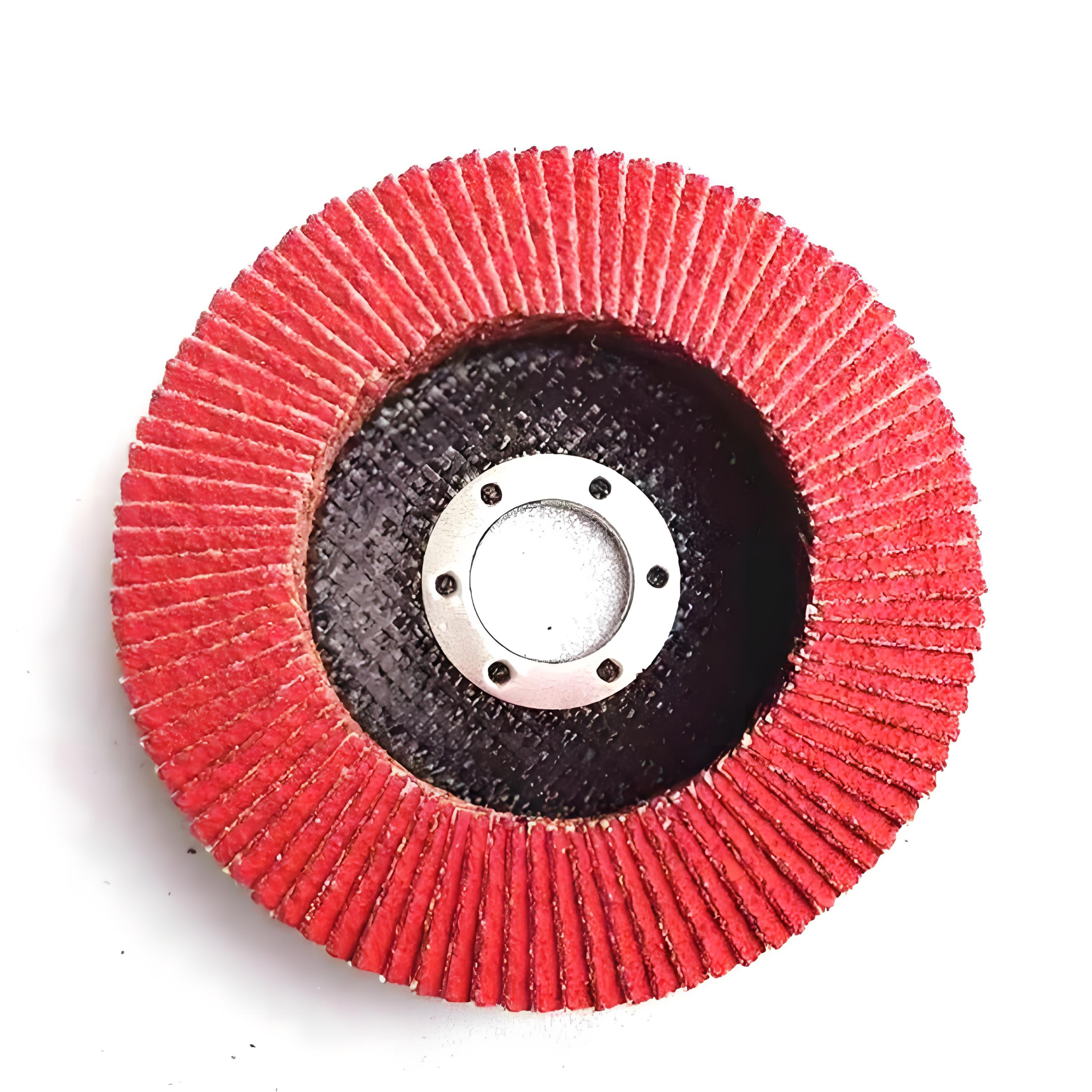
Flap Discs:
Construction: Overlapping flaps of abrasive cloth.
Abrasive: Zirconia Alumina is standard for performance.
Backing: Cloth or polyester.
Anti-Loading Feature: The flaps are impregnated with a stearate coating. This makes them exceptionally effective for aluminum, as the flexible flaps conform to the surface and the coating prevents loading. They are excellent for blending, deburring, and achieving a uniform finish.
Resin Fiber Discs (Sanding Discs):
Abrasive: Silicon Carbide or Zirconia Alumina.
Key Feature: A heavy stearate (anti-load) coating is essential. These discs are often color-coded (white, blue, or red) to indicate they are for non-ferrous metals.
Application: Ideal for use on random orbital sanders and die grinders for finer finishing, removing light scratches, and preparing surfaces for painting.
D. Contour Sanding and Finishing: Non-Woven Abrasives and Belts

Non-Woven Abrasives (Scotch-Brite™ Type): These are open, web-like structures of nylon filaments impregnated with abrasive mineral (usually silicon carbide). They are pliable and excellent for light deburring, edge-breaking, and applying a uniform satin finish (brushed look) to aluminum. Their open structure is inherently resistant to loading.
Abrasive Belts (for Stationary Grinders): For large-scale operations, wide abrasive belts are used. These are typically coated with silicon carbide and a heavy stearate filler to handle the high volume of aluminum chips generated.
Operational Best Practices and Safety
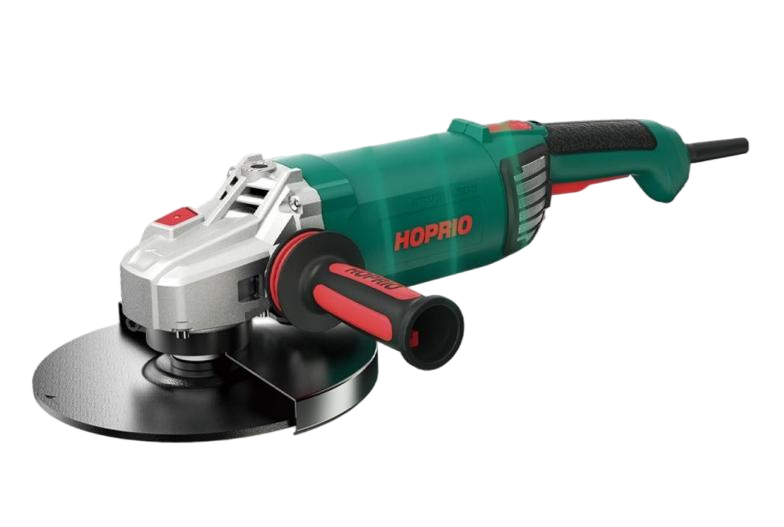
Selecting the right tool is only half the battle. Proper technique is equally critical.
- Let the Tool Do the Work:Applying excessive pressure is the fastest way to generate heat and load the wheel. Use a gentle touch and allow the sharp, free-cutting abrasive to remove the material.
- Use the Right Speed (RPM):Never exceed the maximum operating speed (RPM) marked on the wheel. Using an under-speed tool is generally safer for aluminum work, as it generates less heat.
- Maintain a Consistent Angle:For grinding, use a shallow angle. For cutting, keep the wheel straight.
- Safety is Paramount:
- PPE is Non-Negotiable: Always wear safety glasses, a face shield, heavy-duty gloves, and hearing protection.
- Respiratory Protection: Aluminum dust is a respiratory irritant and, in high concentrations, can be combustible. Use a NIOSH-approved particulate respirator and ensure adequate ventilation or dust extraction.
- Guard Usage: Always use the tool guard on your angle grinder. It is your first line of defense in case of wheel failure.
Conclusion
Successfully cutting and grinding aluminum is not about using more force; it is about using more intelligence. By understanding the gummy nature of aluminum and selecting abrasives engineered to combat it—through self-sharpening Zirconia Alumina grains, open structures, and anti-loading stearate coatings—fabricators can achieve efficient, cool, and safe operations with a superior finish. Investing in the correct cutting-off wheel, grinding wheel, or flap disc is an investment in productivity, quality, and, most importantly, safety.
This post is also available in:


Leave a Reply
Want to join the discussion?Feel free to contribute!