
Beyond the Cut: How Non-Woven Abrasives Are Shaping the Future of Precision Finishing
1. Market Size & Growth Trajectory
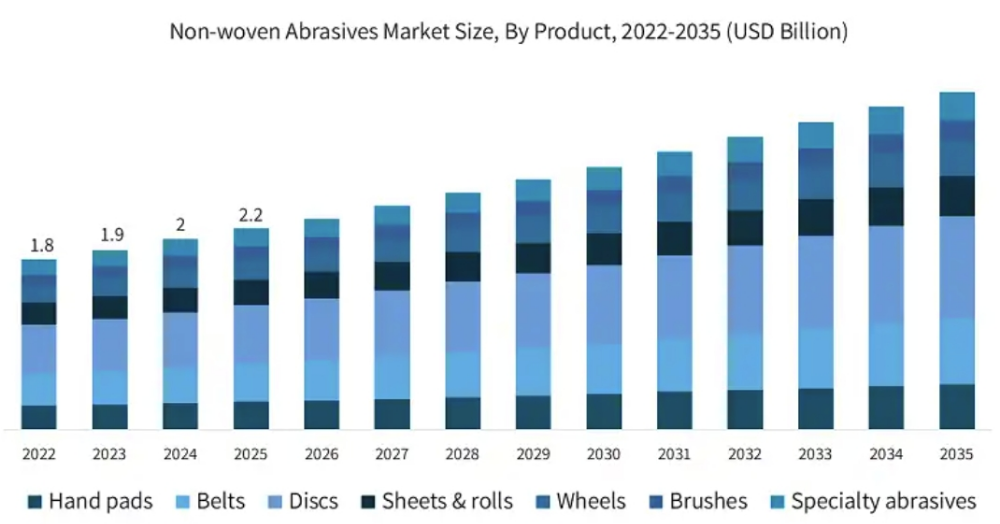
In 2025, the global non-woven abrasive market is valued at approximately $2.2 billion. As manufacturing industries demand ever-higher surface quality, process stability, and compatibility with automation, the market is projected to reach $2.3 billion in 2026 and grow to $3.6 billion by 2035.
Unlike traditional bonded or coated abrasives, non-woven abrasives focus on controlled removal and consistent results. Their value lies not in raw cutting speed, but in their ability to maintain surface integrity, improve appearance, and deliver repeatable outcomes. This is why they are gaining traction in precision manufacturing, automotive refinishing, aerospace, and high-end metalworking.
2. Technology Trends: Moving from “Faster” to “Smarter”
Recent innovations in non-woven abrasives are less about speed and more about control.
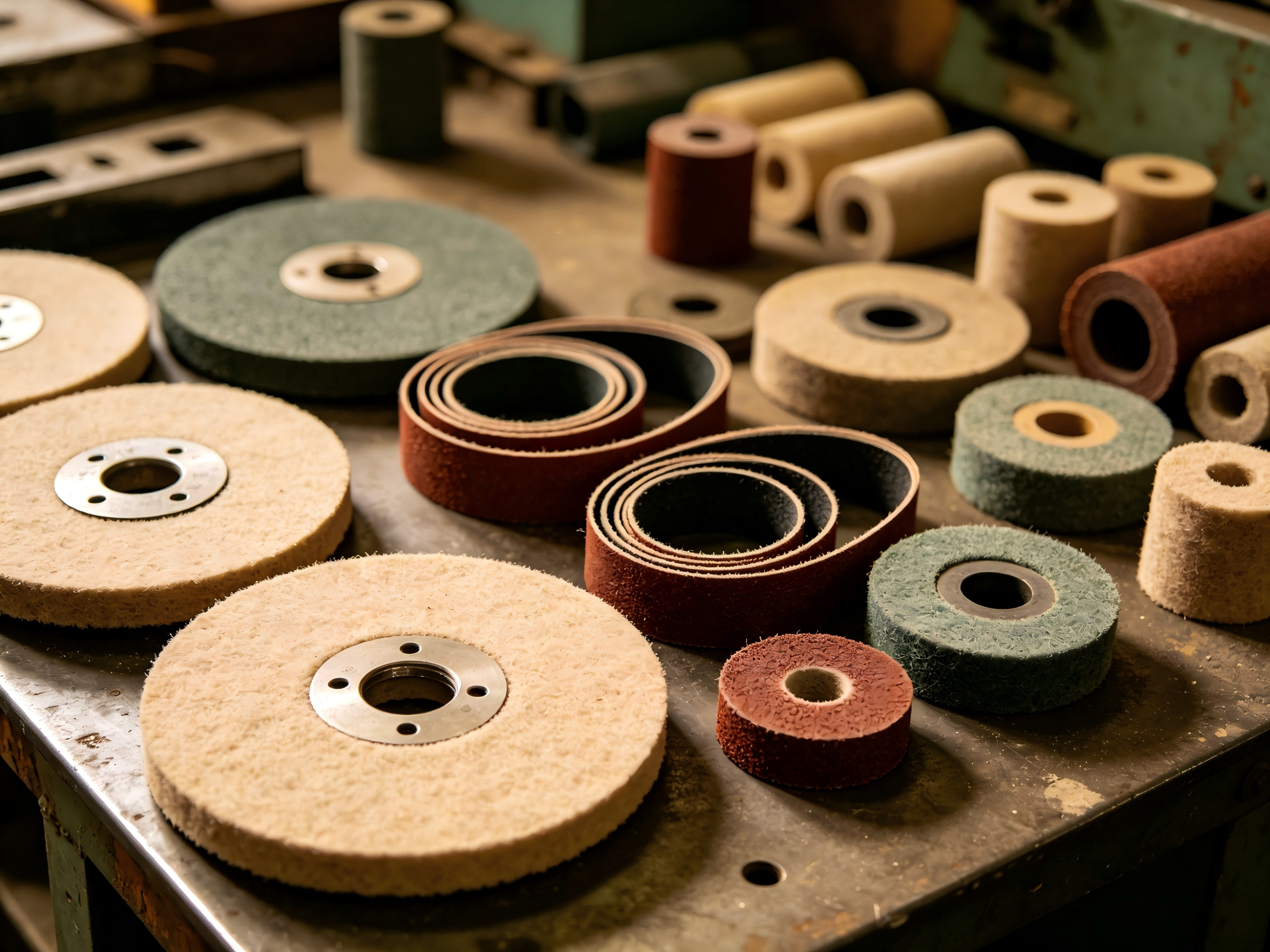
Fiber engineering: The use of micro-fibers and engineered fiber blends allows the abrasive to conform to complex curves and irregular shapes without altering part geometry. This enables uniform finishing even on intricate surfaces.
Abrasive minerals: The introduction of ceramic grains helps maintain stable cutting performance throughout the product’s life. Compared to conventional aluminum oxide, service life typically increases by 40–60% – a critical advantage for automated lines and continuous processes.
Binder systems: New resin and bonding agents are more resistant to heat and moisture, and are increasingly eco-friendly. These non-woven products can operate reliably at 200–250°C, making them suitable for wet grinding, marine applications, and heavy-duty metal processing.
3D structured surfaces: Improved chip clearance and debris removal make these abrasives highly effective for weld blending, heavy-duty deburring, and coating removal.
3. Key Drivers & Challenges
Drivers:
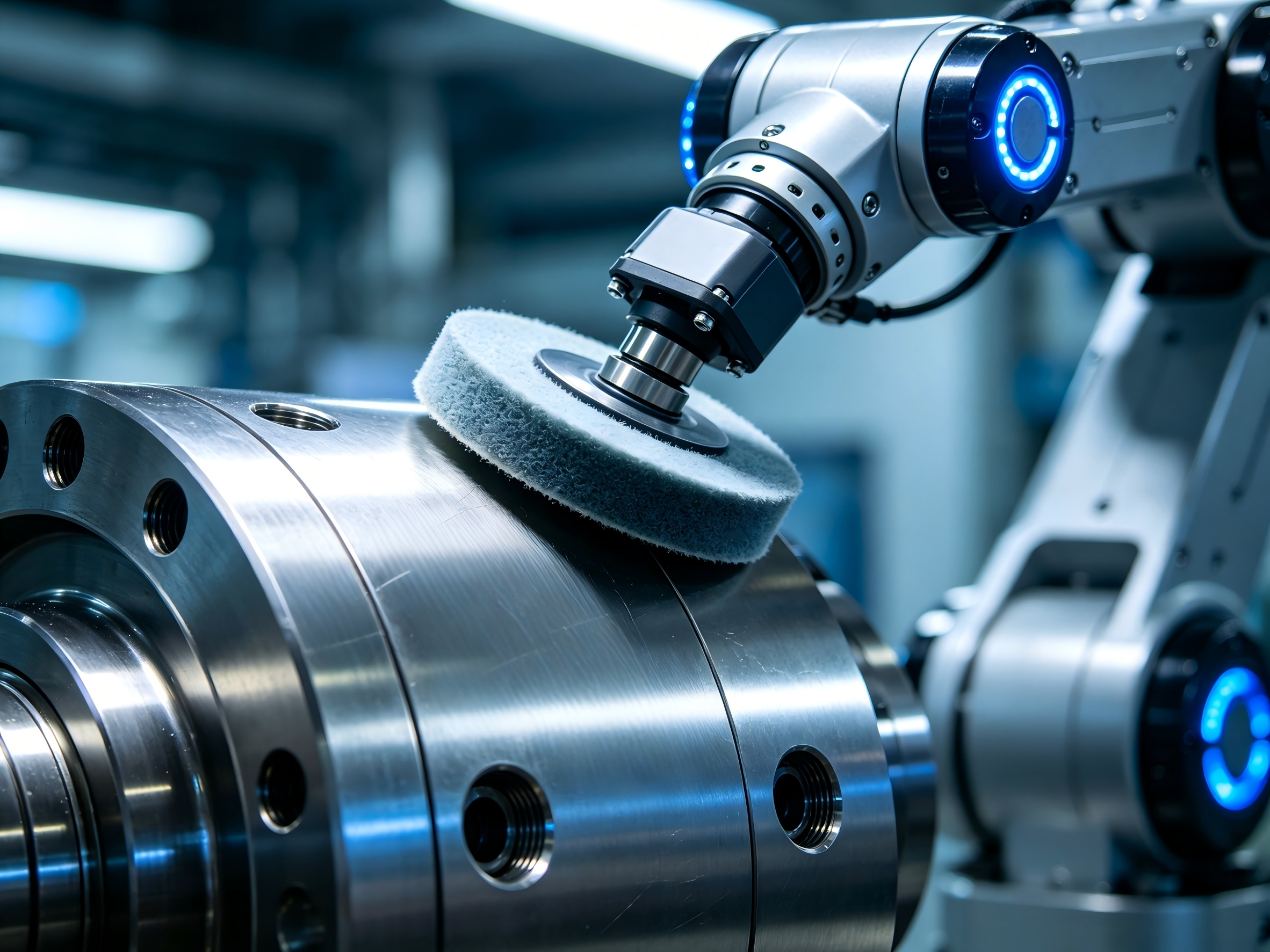
Automation & precision manufacturing: Robotic finishing cells and CNC systems require abrasives with predictable material removal and low risk of surface damage. Non-woven products are becoming standard in such environments.
Advanced materials: Aluminum alloys, titanium, composites, and high-strength steels – widely used in aerospace and automotive – are highly sensitive to heat and surface damage. Field data shows that non-woven abrasives can improve processing efficiency by 30–40% while significantly reducing heat buildup.
MRO (Maintenance, Repair & Operations): The growing global installed base of industrial equipment creates stable demand for versatile, easy-to-use abrasive products.
Challenges:
Raw material price volatility: Synthetic fibers, specialty resins, and abrasive minerals are affected by energy and supply chain fluctuations. During tight supply periods, manufacturing costs can rise by 15–25%.
Competition from alternative technologies: Laser surface treatment, chemical etching, and high-end coated abrasives compete in some precision applications, particularly in electronics and medical device manufacturing.
4. Discs & Wheels: The Volume Drivers
Among product forms, non-woven discs account for approximately $625.8 million in 2025 – about 29% of the total market. Their ability to conform to curved surfaces and compatibility with various power tools make them the most cost-effective choice for automotive refinishing, stainless steel, and aluminum finishing.
Non-woven belts reach $410.3 million, with growing adoption in automated finishing systems for deburring, chamfering, and continuous surface treatment.
Non-woven wheels also stand at $625.8 million, serving high-end applications such as aerospace, automotive OEM, and precision manufacturing, where consistency and stability are paramount.
5. Growth by Grit Size – A Clear Shift to Fine Grades
The market shows a clear concentration toward fine grit sizes.
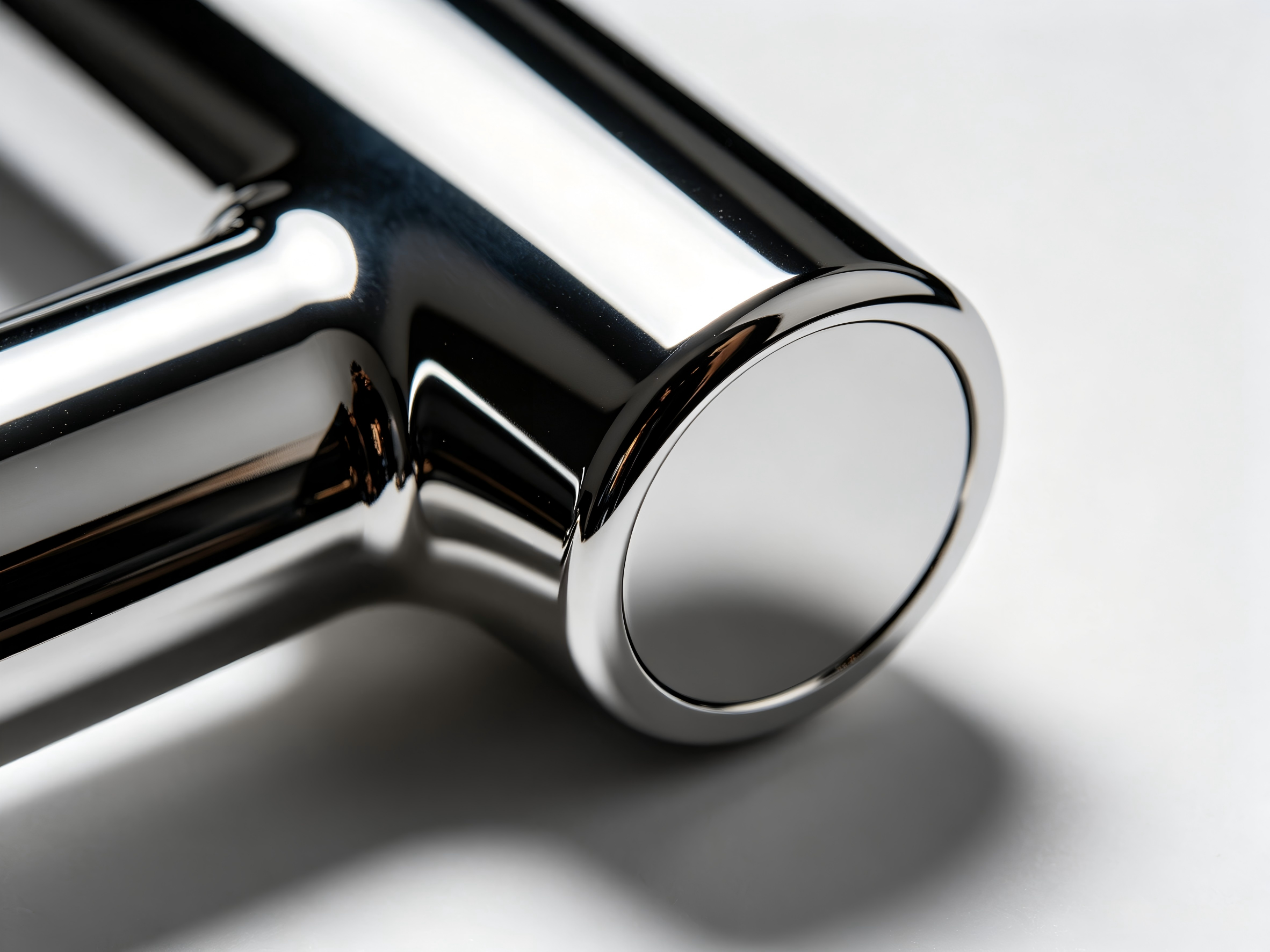
Fine grit (180–600+ mesh): Valued at $970.8 million in 2025, representing 45% of total market share. These are essential for finishing and polishing, especially in clear coat blending, stainless steel polishing, and decorative surface treatments – often the final step in the process.
Medium grit: $787 million, mainly used for deburring, surface preparation, and between-process finishing. Demand grows steadily with manufacturing expansion.
Coarse grit: $401.4 million, more common in heavy removal and maintenance applications such as shipbuilding, industrial refurbishment, and MRO.
6. Applications – Cleaning, Deburring & Finishing All Growing
Cleaning & surface preparation is the largest application segment: $648.6 million in 2025, widely used for weld cleaning, pre-paint and pre-assembly treatment.
Deburring & edge rounding reaches $469 million, driven by the spread of CNC machining, laser cutting, and robotic finishing systems.
Finishing & polishing, though smaller at $180.5 million, commands the highest added value in premium sectors such as medical devices, high-end decorative metalwork, and aerospace.
7. Regional Outlook – Growth Shifting to Asia-Pacific
North America and Europe remain important premium markets. In 2025, the United States alone accounts for $551.5 million, with demand coming mainly from automotive, aerospace, and advanced metalworking.
The Asia-Pacific region is the fastest-growing. Expanding manufacturing scales in China, India, and Vietnam, combined with local production capacity buildup, are driving significant demand for non-woven abrasives. Emerging markets like Saudi Arabia and Brazil are also seeing steady growth due to infrastructure development and industrialization.
8. The Real Competitive Edge: Technology + Application Know-How
Overall, the non-woven abrasive industry is moderately concentrated. Competition is not primarily about price, but about:
Fiber structure design capability
Abrasive mineral system stability
Product consistency and uniformity
Deep understanding of application scenarios
As customers demand more standardized finishing processes, certified quality, and automation-ready solutions, companies that provide application engineering support – helping customers design their processes and offering long-term collaboration – will secure the strongest market positions.
This post is also available in:


Leave a Reply
Want to join the discussion?Feel free to contribute!