
Wheel Wear and Self-Sharpening: Practical Answers for Real Production Lines
There is no shortage of theoretical literature on grinding wheel wear mechanisms – abrasive grain fracture, bond fracture, attritious wear. Most people in the industry know these terms. But on the actual production floor, engineers rarely struggle with “knowing the theory”. Their real headaches are different:
Why does the same grinding wheel last twice as long on one batch of workpieces but fail quickly on another?
A customer complains the wheel “wears too fast”, yet the G-ratio (grinding ratio) looks acceptable. Who is misunderstanding what?
Everyone talks about self-sharpening, but how do you actually adjust the wheel formulation to achieve it?
Let’s skip the textbook repetition and talk about real production issues – and how to understand and control wheel wear from an application perspective.
1. Two Kinds of “Wear”: Productive vs. Non-Productive
On the shop floor, a common confusion arises: what an operator calls “fast wear” may be completely different from what a process engineer means.
Let’s clarify:
Productive wear – Abrasive grains gradually dull, micro-fracture, and fall off while grinding workpieces. This is the wheel doing its job, creating value. A wheel with good self-sharpening exhibits controlled, continuous productive wear.
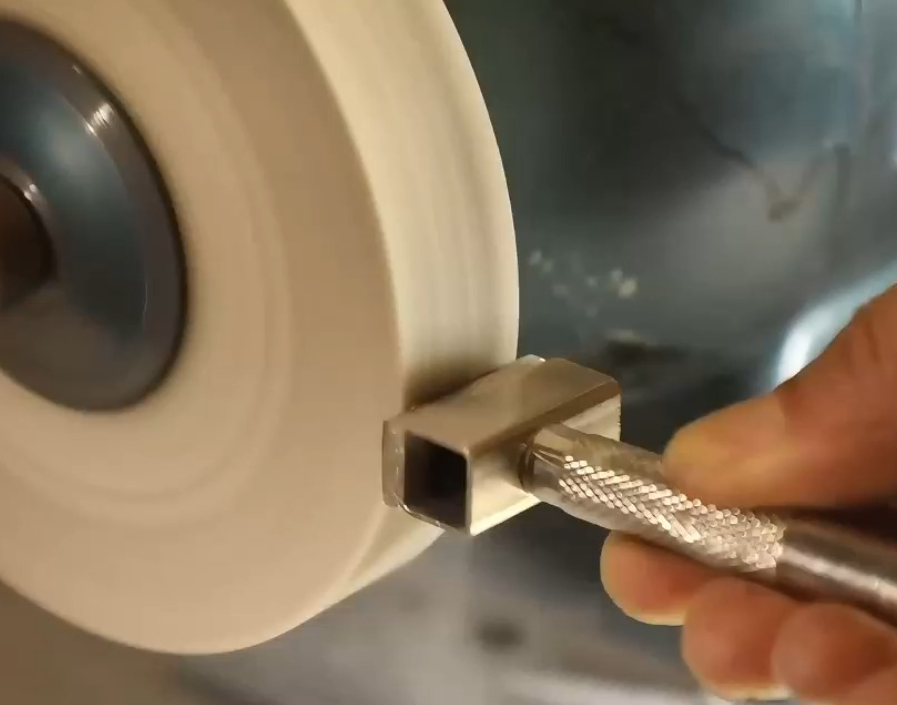
Dressing wear – Material forcibly removed when using a diamond dresser to true or sharpen the wheel. During dressing, the wheel is not grinding any workpiece – it is “taking the knife”. This wear adds no value.
Many complaints about “wheel not lasting” actually originate from excessive dressing, not from fast productive wear.
Consider this: A wheel may have a high G-ratio (very little self-wear while grinding). But if its self-sharpening is poor, the wheel glazes after a short time, forcing the operator to dress it every 30 minutes. Each dressing removes 0.2 mm. By the end of the day, dressing wear may exceed productive wear. The customer simply concludes: “This wheel disappeared in two days” – without distinguishing between grinding loss and dressing loss.
Thus, when evaluating wheel life, don’t just look at G-ratio – look at effective grinding time per unit of wheel volume lost. This is a critical but often overlooked perspective for both wheel manufacturers and end users.
2. Three Adjustable Dimensions in Wheel Formulation
Self-sharpening is essentially controlling when grains should fall off. Three levers are available.
Dimension 1 – Bond retention strength
This depends on bond strength itself and the interface between bond and abrasive.
Vitrified bonds: Reducing retention (e.g., adding low-melting-point components) makes grains fall off more easily. Raising sintering temperature or bond volume increases retention.
Resin bonds: Heat resistance and crosslink density directly affect retention at high temperatures. At elevated grinding temperatures, resin bond retention drops significantly – this can be exploited (automatic grain release) but may also cause premature loss.
A common request: “Customer thinks the wheel is too hard and won’t cut – make it softer”. Softening essentially means lowering bond retention to improve self-sharpening. But the method matters – reducing bond volume increases porosity and changes chip evacuation; altering bond composition without changing volume gives different results. The right approach depends on the specific problem.
Dimension 2 – Grain fracture behavior
Not all grains “micro-fracture” obediently.
Conventional alumina: Cracks tend to propagate transgranularly, leading to bulk fracture rather than micro-chipping.
Microcrystalline alumina (ceramic grain): Composed of sub-micron crystallites; cracks follow grain boundaries, producing controlled, progressive micro-fracture – a classic self-sharpening behavior.
Single-crystal CBN: Relatively brittle, tends to fracture completely under impact.
Polycrystalline CBN: Offers many grain boundaries, promoting micro-fracture.
If a customer reports grains “falling out whole” instead of micro-chipping, one possible cause is that the grain is too strong for the application – impact energy cannot fracture it, so it instead breaks the bond bridges. Switching to a grain that micro-fractures more easily (not harder) may be the solution.
Dimension 3 – Porosity control
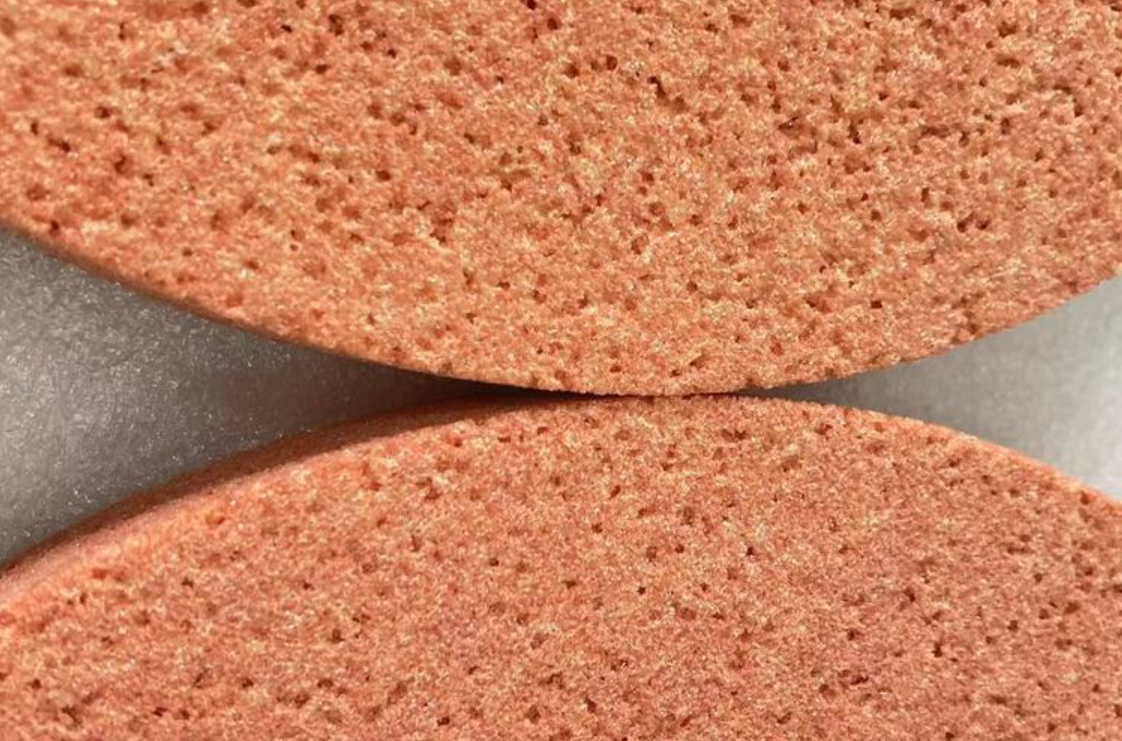
Porosity affects three things: chip evacuation space, coolant access, and effective bond cross-sectional area. With the same bond volume, a more porous structure reduces bond bridge cross-section, lowering retention. Thus, porosity adjustment can change the wheel’s “effective hardness” without changing bond composition.
Sufficient porosity also prevents loading. Once the wheel face loads (clogs with swarf), grinding forces spike, causing abnormal grain pullout or bulk fracture. Many “sudden wheel failure” cases on site are caused by loading, not wear itself.
3. Matching Grinding Parameters to Wear Mode
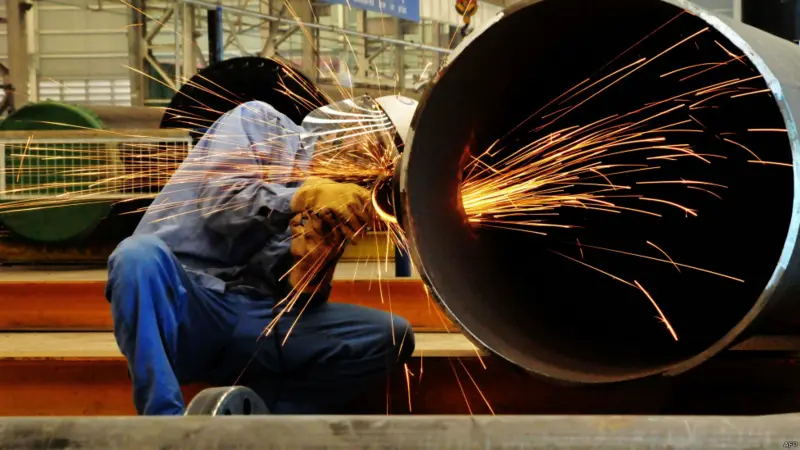
The same wheel can wear completely differently under different parameters.
Low wheel speed: Lower impact force – dull grains tend not to fracture, leading to glazing. Older grinding machines (low speed) generally need softer wheels.
High speed (≥100 m/s): Higher impact at grain entry, promoting micro-fracture. But excessive speed may overpower bond strength, causing whole-grain pullout. CBN wheels can handle higher speeds, but must match bond strength.
Depth of cut & feed rate: Research shows that as undeformed chip thickness increases, crack propagation can shift from transgranular to intergranular – meaning heavier grinding (within a range) may actually promote micro-fracture. Beyond a certain threshold, however, macro-fracture or wholesale pullout occurs.
Wheel designers need to know the customer’s actual grinding parameters. The same grain type that self-sharpens ideally under one set of parameters may fail catastrophically under another – which is why “one wheel for all” is rarely realistic.
4. Common Shop-Floor Problems – Diagnostic Thinking
Problem A – Glazing (wheel won’t cut)
Symptoms: Reduced sparks, dull grinding sound, shiny/burnt workpiece surface, increasing power draw.
Diagnosis: Wheel too “hard” for current conditions (insufficient self-sharpening) → lower hardness or increase porosity. Parameters too conservative (low speed, shallow cut) → not enough grain micro-fracture. Insufficient coolant or poor nozzle placement → bond softening or workpiece material adhesion.
Problem B – Excessive wheel breakdown (short life)
Symptoms: Localized rapid loss (edges or spots), not uniform wear; visible notches.
Diagnosis: Bond too weak → increase hardness or bond volume. Grain too strong for bond → grains don’t fracture, break bond bridges instead → switch to more micro-fracturing grain. Excessive impact (interrupted cuts, rigid setup) → check dressing, consider vibration damping. Wheel imbalance or machine vibration → uneven stress.
Problem C – Loading (clogging)
Symptoms: Wheel face black/shiny, swarf visibly fills pores, grinding forces rise but differ from glazing.
Diagnosis: Insufficient porosity → add pores. Wrong coolant type or flow → increase flushing pressure, adjust concentration. Grinding parameters produce chip shapes that don’t evacuate → adjust parameters or add larger pores.
Problem D – Excessive dressing frequency
Diagnosis: First determine dominant wear cause. Glazing leading to frequent dressing → same as Problem A. Fast productive wear (low G-ratio) but acceptable self-sharpening → consider more wear-resistant grain or stronger bond. If each dressing pass removes too much wheel material → check aggressive dressing parameters.
5. A Commonly Overlooked Issue: Wheel Consistency
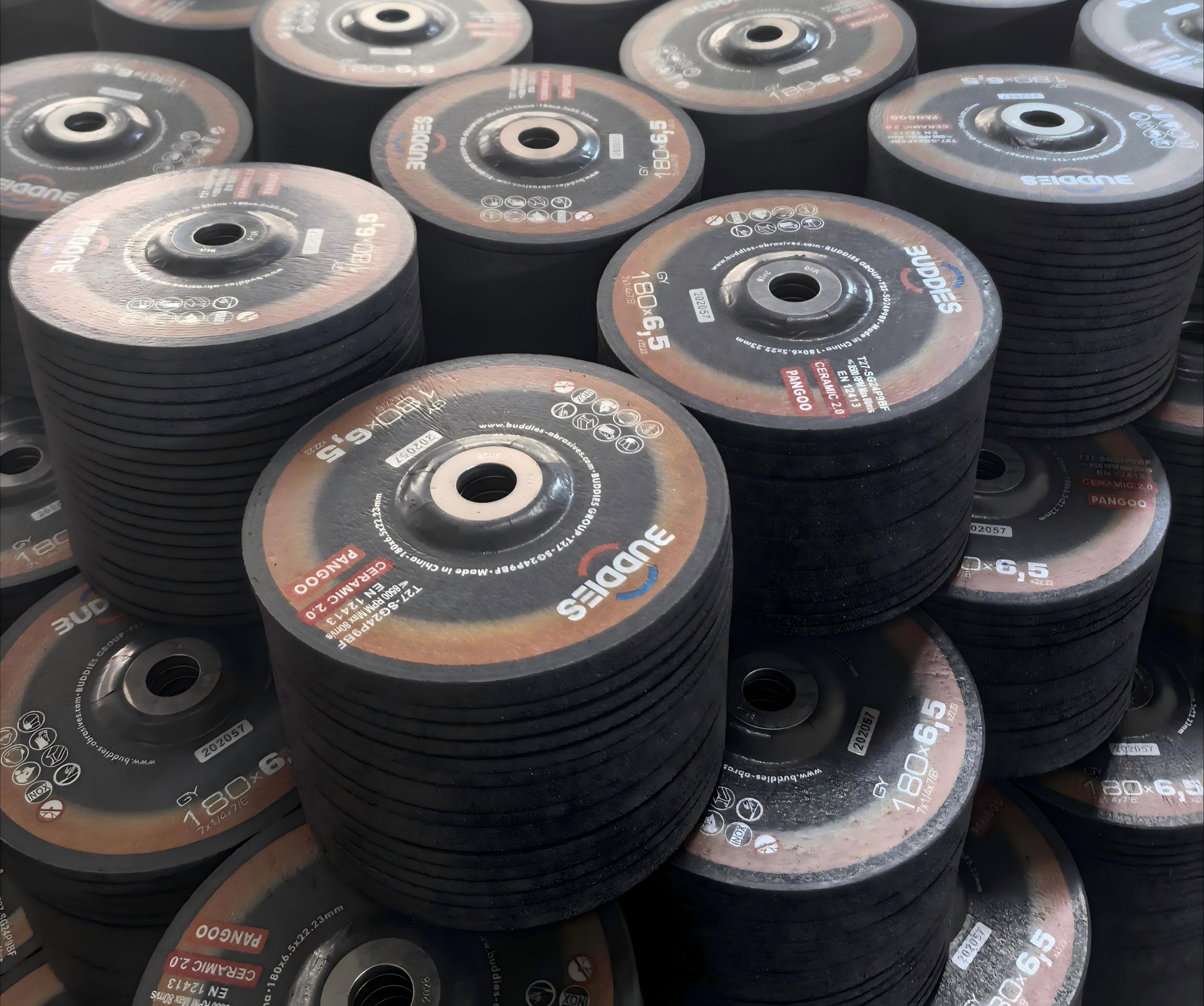
For manufacturers, a frustrating customer feedback: “Some wheels from the same batch work well, others don’t” or “First batch was good, second batch is not”.
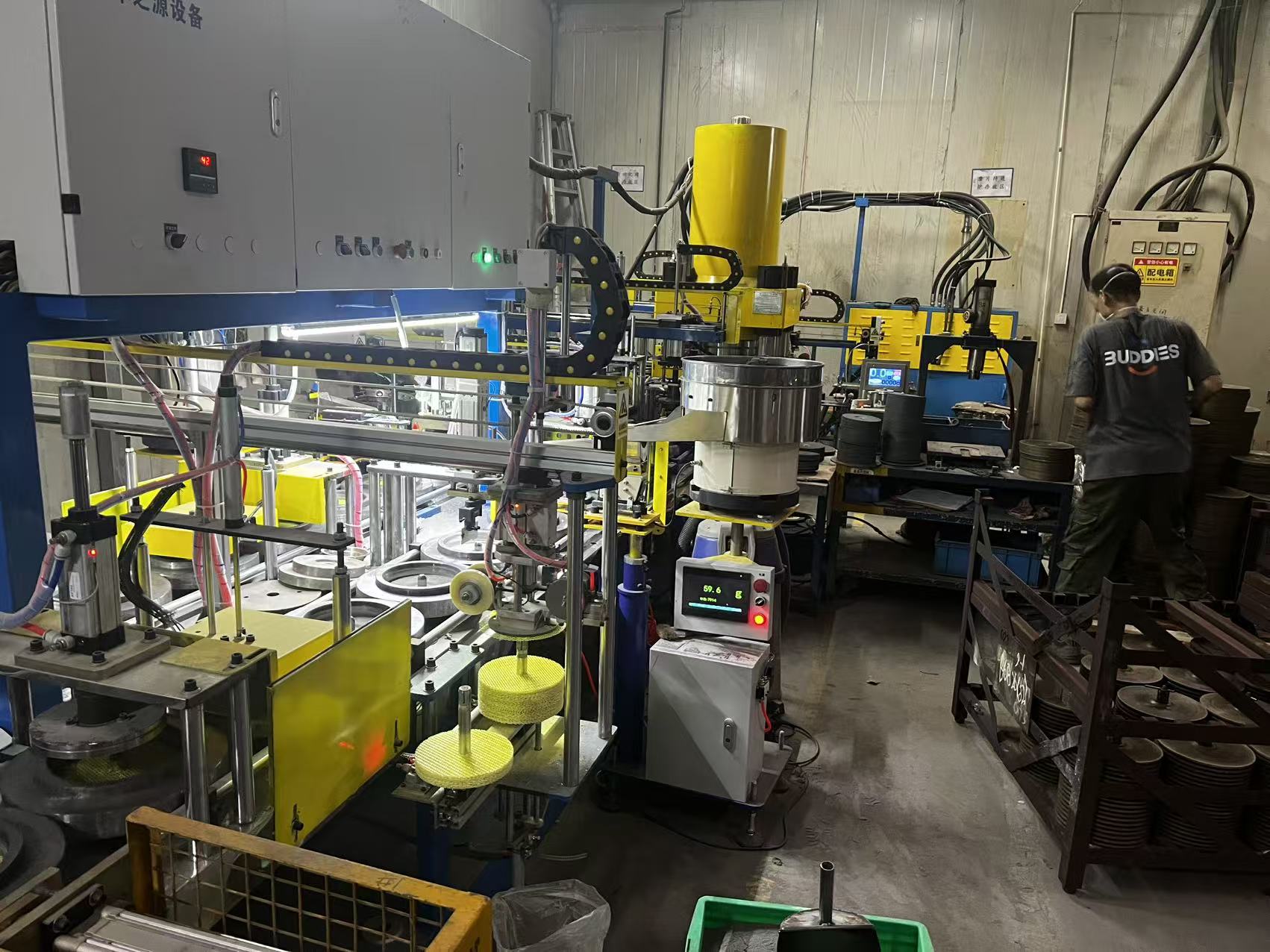
This is rarely a wear mechanism problem – it is a process consistency problem. Weighing errors in bond components, mixing uniformity, firing temperature variations, molding pressure changes – all affect final bond retention strength, which is precisely the key to self-sharpening.
Practical process control points:
- Weighing accuracy of bond components
- Temperature uniformity inside the kiln (variations cause hardness distribution within the same batch)
- Hardness testing and recording for every batch, enabling traceability when customer feedback arrives
These seem like “basic operations”, but in real production management, they are often neglected.
Conclusion
Discussing wheel wear without specific working conditions is meaningless. The same wheel that self-sharpens perfectly on Material A may glaze or break down on Material B. For wheel manufacturers, understanding the customer’s actual machining conditions – machine rigidity, cooling, grinding parameters, workpiece material – is the first step toward recommending or designing the right product. For end users, understanding wheel wear mechanisms helps to troubleshoot external factors (parameters, coolant, dressing) before complaining that “the wheel is bad”.
When wear is properly controlled, a grinding wheel is no longer just a consumable – it becomes a reliable process partner.
This post is also available in:


Leave a Reply
Want to join the discussion?Feel free to contribute!